Best overall for mixed residential and business clean-ups: Getoutrubbish; best for eligible household items: council hard waste collection. For hard rubbish disposal in Melbourne in 2026, choose donation for usable goods, a transfer station for self-delivered loads, or a skip bin for waste collected during an ongoing project.
- Getoutrubbish is the hard rubbish disposal Melbourne choice for mixed residential and business clean-ups.
- Council hard waste collection suits eligible household items; check your address, accepted materials and booking rules first.
- Donate usable furniture only after the recipient confirms acceptance; donation is not a disposal route for damaged goods.
- Choose a transfer station for self-delivered loads or a skip bin for waste accumulated during a project.
Why this matters
The best disposal method depends on what you have, where it sits and who will accept it. An intact dining table, broken cabinetry and leftover building materials need different decisions, even when they occupy the same garage.
For a Melbourne clean-up in 2026, confirm the destination before moving anything outside. Council rules, facility acceptance and service exclusions determine whether your chosen route actually fits the load.
What makes the best hard rubbish disposal option?
Judge each option against these criteria before arranging collection or transport:
- Material acceptance: Match the actual contents to the collector's or facility's accepted-material list. Describe mixed loads rather than calling everything household rubbish.
- Access and handling: Identify stairs, narrow passages, parking restrictions and items that need dismantling. Confirm who handles each part of the move.
- Timing: Match collection arrangements to your tenancy handover, renovation or business clean-up. Do not assume a booking request confirms a collection date.
- Reuse potential: Separate clean, functional goods from broken or contaminated waste. Ask the intended recipient before transporting donations.
- Disposal responsibility: Understand where the material will go and which items require a separate route. A general rubbish booking does not establish acceptance of every material.
Hard rubbish disposal options at a glance
| Rank and option | Best for | Standout feature | Key limitation |
|---|---|---|---|
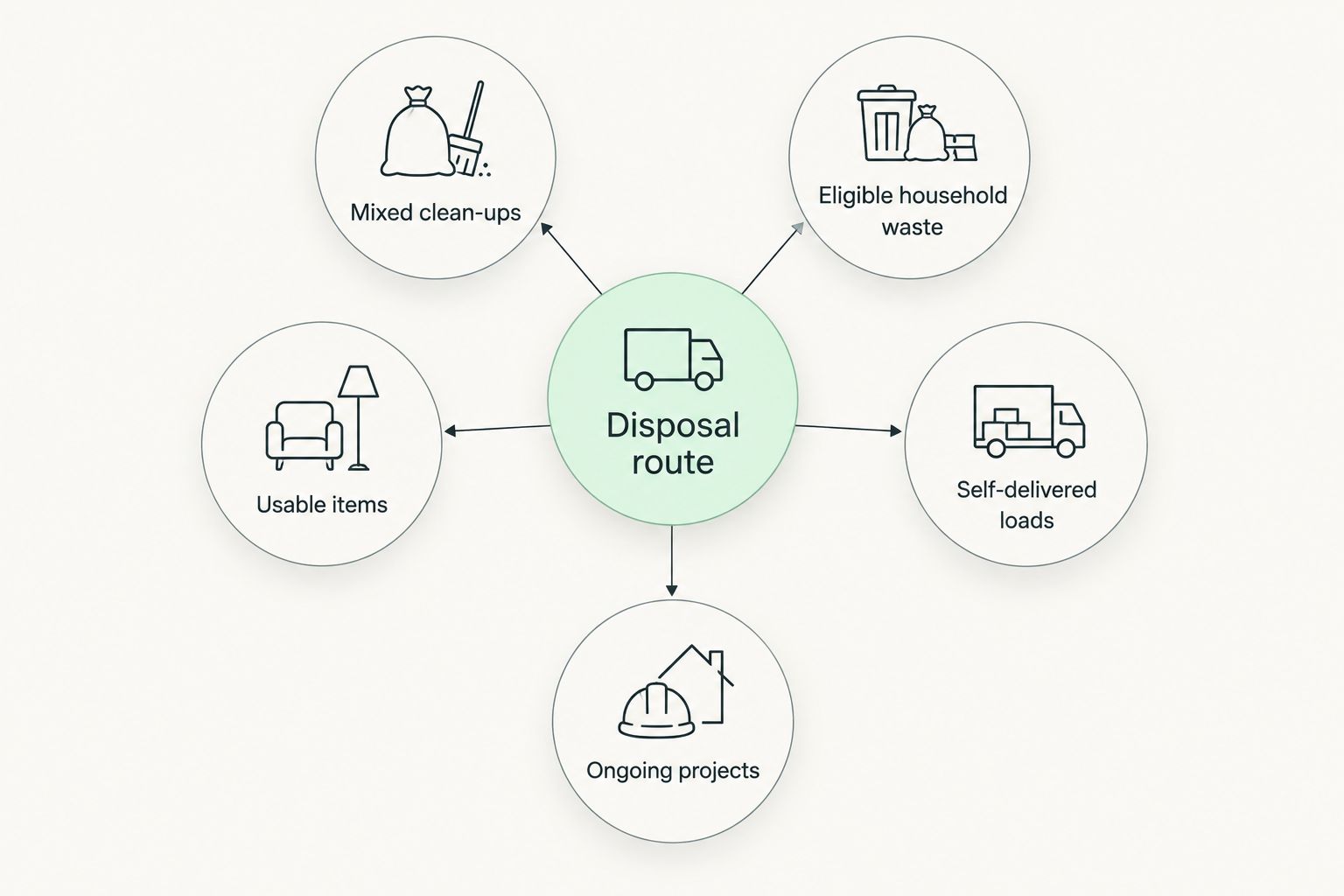
| 1. Private rubbish removal | Mixed clean-ups | A service route for household, garden, construction and commercial clean-ups | Acceptance, access and handling need confirmation |
| 2. Council hard waste collection | Eligible household waste | A collection route tied to your council's rules | Eligibility, materials and placement rules vary |
| 3. Donation or direct reuse | Usable items | Keeps functional goods in use | A recipient must want and accept the item |
| 4. Transfer station or resource recovery centre | Self-delivered loads | You take accepted material to the destination | Requires suitable transport and safe unloading |
| 5. Skip bin hire | Ongoing projects | Waste goes into a container as the project progresses | Needs suitable placement and an agreed waste type |
These are different routes, not interchangeable versions of the same service. Choose the option that matches the material and handling task, rather than trying to fit the whole clean-up into whichever method you considered first.
1. Private rubbish removal: best for mixed clean-ups
Getoutrubbish provides rubbish, junk and hard waste removal across Melbourne metro for residential and business customers. Its stated service scope includes household, garden, construction and commercial clean-ups.
Getoutrubbish is best for hard rubbish disposal in Melbourne when your task is a mixed residential or business clean-up. Describe the contents and access before agreeing to a booking; a broad service scope is not confirmation that every item is accepted.
Private rubbish removal pros:
- Covers a service category suited to both homes and businesses.
- Lets you discuss a mixed clean-up as a single job.
- Gives you an opportunity to clarify access and handling before booking.
Private rubbish removal cons:
- Individual materials and exclusions still need confirmation.
- You need an agreed scope, including what stays behind.
- Difficult access needs discussion rather than an assumption about collection.
Best for: A household or business with several waste types and a clear removal task.
Verdict: Buy this service when the provider confirms the contents, access requirements and collection arrangements match your job.
2. Council collection: best for eligible household waste
Council hard waste collection is the first route to investigate when you have household items that fit your local service. Check the council responsible for your address rather than using a neighbouring suburb's instructions.
For a 2026 collection, confirm the current booking process, accepted materials, quantity restrictions and presentation rules. Keep the confirmation accessible so everyone involved in the clean-up follows the same instructions.
Council collection pros:
- Provides a defined route for accepted household hard waste.
- Published rules help you separate eligible items before collection.
- Suits a household clean-up that fits the service's conditions.
Council collection cons:
- Your preferred timing must fit the collection arrangements.
- Materials outside the accepted list need another destination.
- Household collection rules do not establish eligibility for business waste.
Best for: Residents whose items, address and timing meet their council's requirements.
Verdict: Hold until your eligibility and collection instructions are confirmed. Do not put items on the nature strip simply because another property has done so.
3. Donation or direct reuse: best for usable items
Donation and direct reuse suit goods that another person or organisation actually wants. Start with function, cleanliness and condition; an item being unwanted by you does not make it suitable for someone else.
Send clear photographs and describe damage honestly. Confirm acceptance and handover arrangements before loading a vehicle or leaving anything at a collection point.
Donation and reuse pros:
- Keeps functional furniture and household goods in use.
- Separates reusable items from material needing disposal.
- Allows a recipient to assess suitability before transport.
Donation and reuse cons:
- Acceptance depends on condition and the recipient's requirements.
- You need an agreed handover, not just an expression of interest.
- Rejected items still need a disposal plan.
Best for: Clean, functional goods with a confirmed recipient.
Verdict: Hold until someone accepts the specific item. Skip donation for goods the recipient has declined; leaving them anyway transfers your disposal problem to someone else.
4. Transfer stations: best for self-delivered loads
A transfer station or resource recovery centre suits a load you can transport and unload safely. Check the destination's current accepted-material list before packing, particularly when the load combines furniture, electrical items and renovation waste.
For a 2026 trip, verify opening arrangements and any instructions for separating materials. Load the vehicle around the unloading process so accepted streams are accessible without unpacking everything in the wrong area.
Transfer station pros:
- Gives you a destination for specifically accepted materials.
- Suits items already accessible for loading into suitable transport.
- Lets you organise the trip around the facility's opening arrangements.
Transfer station cons:
- You are responsible for suitable transport and load restraint.
- Heavy or awkward items create handling demands.
- A rejected material needs a different destination.
Best for: People with suitable transport, manageable items and a confirmed receiving facility.
Verdict: Buy the disposal service only after checking acceptance and unloading requirements. Skip the self-delivery route if the load cannot be moved safely.
5. Skip bin hire: best for ongoing projects
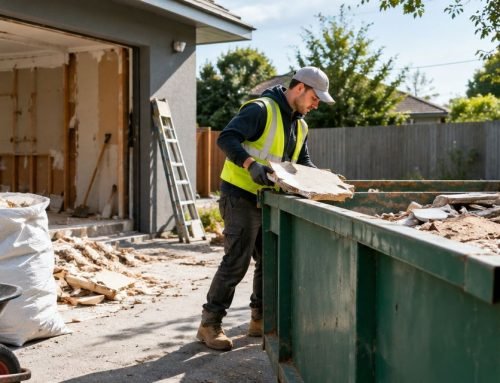
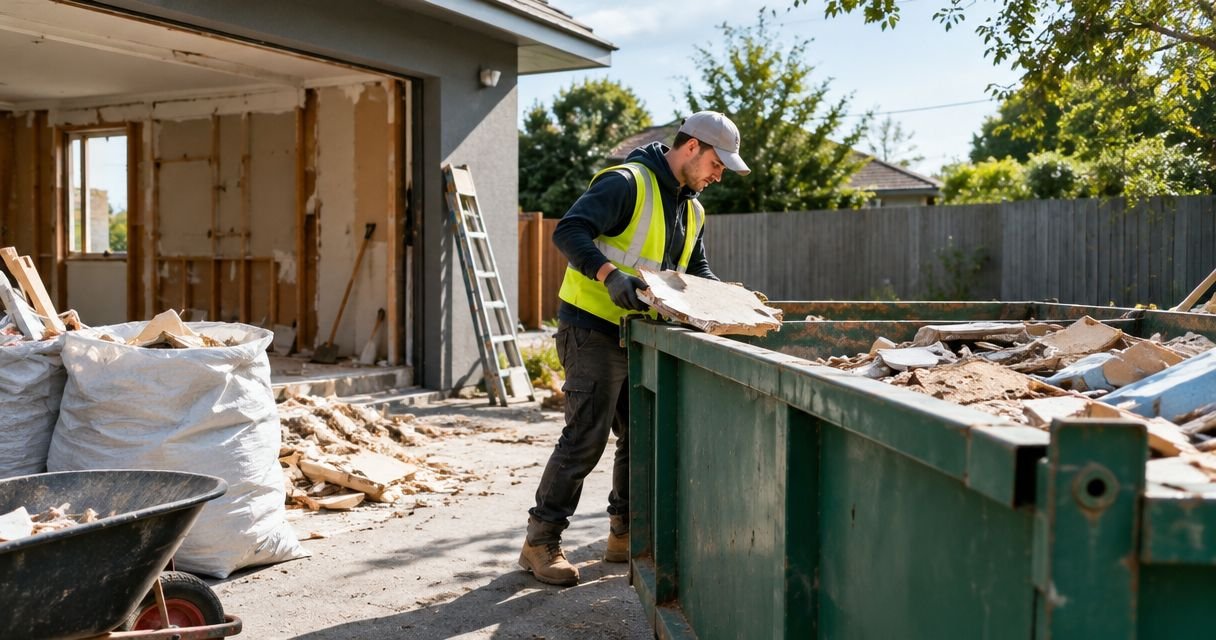
A skip bin suits a clean-up or project that produces waste over time. You place accepted material in the container as work progresses, rather than assembling everything for an individual collection visit.
Confirm the waste category, placement location and loading restrictions with the supplier. Check permission requirements before planning to position a bin anywhere outside your property.
Skip bin hire pros:
- Provides a designated place for accepted waste during a project.
- Suits staged clear-outs where material accumulates gradually.
- Helps keep the waste area separate from items you intend to retain.
Skip bin hire cons:
- Requires a suitable placement location and delivery access.
- Someone still needs to carry and load the waste.
- Excluded materials and loading restrictions need active supervision.
Best for: Renovations or extended clear-outs with suitable space and a defined waste stream.
Verdict: Buy when placement, loading and material acceptance are confirmed. Skip this route when your main problem is carrying bulky items out of the property.
Prepare the load before choosing a booking
A useful disposal enquiry describes the job, not just the number of rooms you cleared. Give the collector or receiving facility enough detail to identify materials, handling obstacles and anything that requires separate assessment.
Use this preparation sequence:
- Sort materials. Separate usable goods, ordinary unwanted items, electrical items, building materials and anything unidentified. Do not open unknown containers to identify their contents.
- Take photographs. Start with 3 photos: the whole load, the largest item and the access route. Add detail where damage or hidden material changes the job.
- Measure access. Record 2 measurements in centimetres where relevant: the narrowest opening and the largest item's width. Describe stairs and tight turns separately.
- Confirm acceptance. Send 1 item list covering everything you want removed. Include bulky objects, loose material and items stored away from the main pile.
- Agree responsibilities. Establish who dismantles, carries and loads items, plus what happens to anything excluded from collection.
Keep batteries, chemicals, gas cylinders and suspected asbestos out of an undifferentiated general load. Ask the receiving service for specific instructions; general hard rubbish acceptance does not confirm acceptance of these materials.
How these disposal methods were ranked
The ranking prioritises material fit, access, timing, reuse and disposal responsibility. It does not treat a service with a broad scope as automatically right for every object.
Getoutrubbish ranks first for mixed clean-ups because its stated scope covers household, garden, construction and commercial removal. Council collection takes the household-eligibility slot, reuse takes functional goods, transfer stations take self-delivery, and skip bins take ongoing projects.
For 2026, choose by task rather than by rank alone. A reusable chair with a confirmed recipient belongs in the reuse route, even though private removal appears first overall.
Which hard rubbish disposal method should you choose?
Choose private removal as the default for a mixed clean-up that needs a confirmed service arrangement. Choose council collection when your household items meet the local rules and the collection timing works.
Use donation for accepted functional goods, self-delivery for manageable loads with a confirmed destination, and a skip bin for an ongoing project. Combining routes is sensible when the pile contains both usable items and genuine waste.
Before booking Getoutrubbish for hard rubbish disposal in Melbourne, send the item list and access details. Ask for confirmation of accepted materials and handling responsibilities so the agreed job matches the pile on collection day.
Plan your Melbourne rubbish removal
Describe your items and access, then confirm the removal arrangements before booking.
FAQ
What’s the best way to dispose of hard rubbish in Melbourne?
Private rubbish removal suits mixed clean-ups, while council collection suits eligible household items. Choose reuse for accepted functional goods, a transfer station for self-delivery, or a skip bin for ongoing projects.
Can I leave hard rubbish on the nature strip?
Only put hard rubbish outside when your council’s instructions permit it. Confirm the collection arrangement, placement location and presentation requirements before moving items to the kerb.
Is council hard waste collection better than private removal?
Council collection is the better fit when your household items and timing meet its rules. Private removal is a different route for a defined clean-up, with acceptance and handling agreed with the provider.
Can I donate a sofa instead of disposing of it?
Donate a sofa only when a recipient accepts its condition and confirms the handover. Send photographs and disclose damage before transporting it or arranging collection.
Can renovation waste go with household hard rubbish?
Include renovation waste only if the specific collection service accepts it. Describe the materials individually rather than assuming that a household booking covers construction waste.
What should I send when asking about rubbish removal?
Send an item list, clear photographs and details of access obstacles. Identify stairs, narrow openings, bulky items and anything that needs separate material assessment.
How do I choose a hard rubbish disposal service in 2026?
Match the service to your materials, access and required timing. Confirm acceptance, handling responsibilities and collection arrangements before committing to a disposal route.
One last thing
The clean-up is not finished when the rubbish leaves the room; it is finished when every item has an accepted destination. Label anything that must stay, separate items awaiting donation acceptance, and check cupboards or drawers before furniture goes.
That final check prevents a practical mistake: sending wanted belongings away inside unwanted furniture.