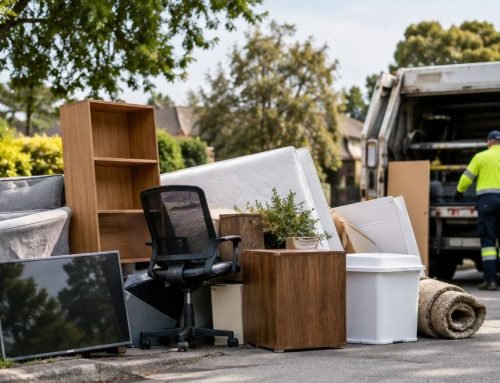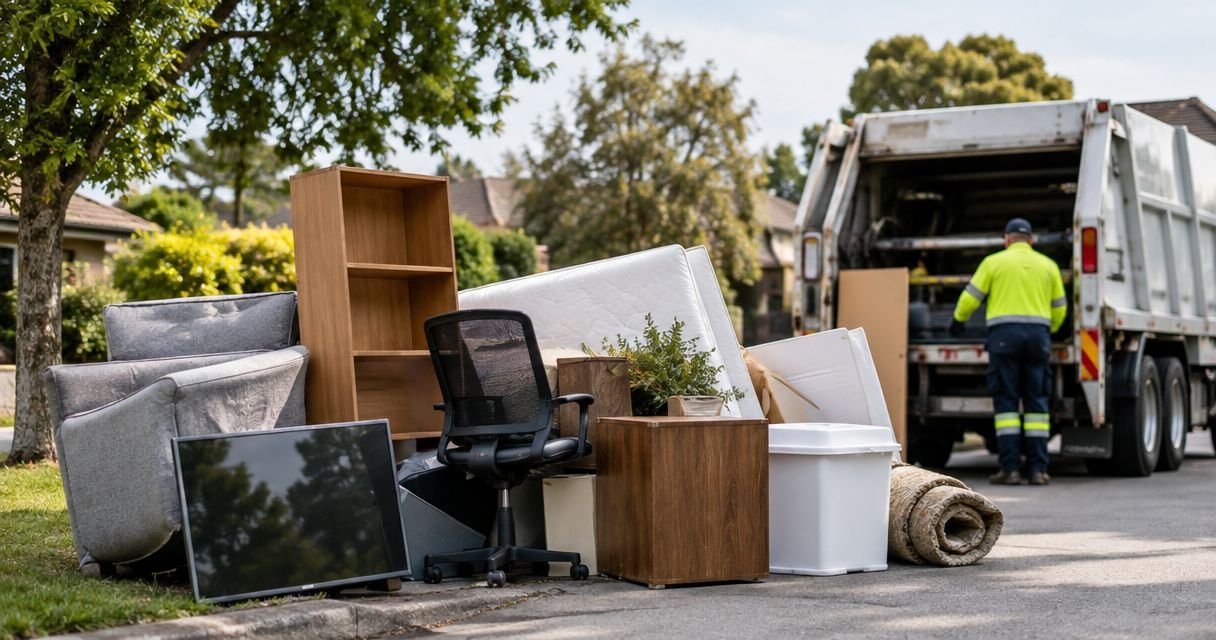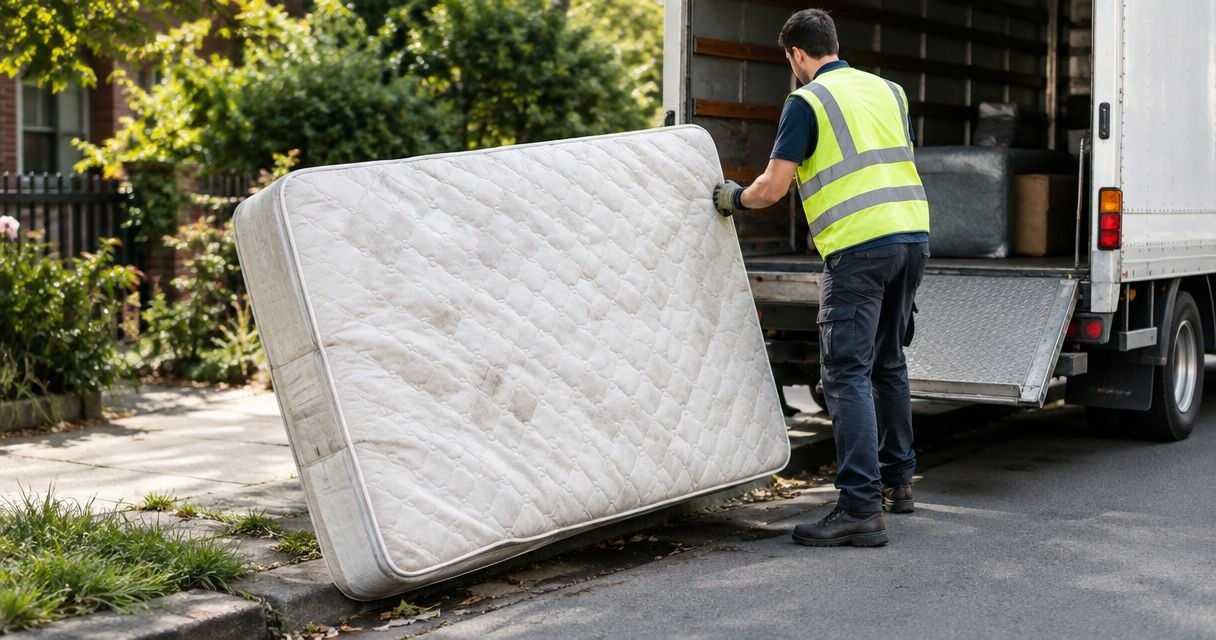
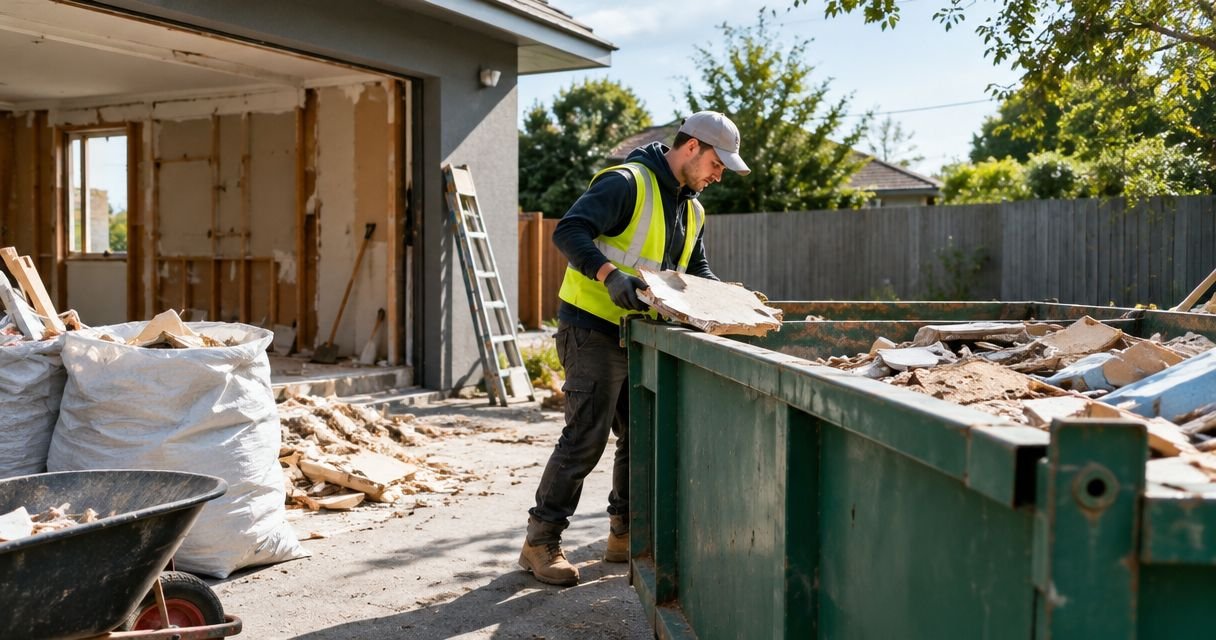
Best overall for a mixed renovation clean-up: professional construction waste collection. Best for reusable fixtures: salvage before disposal. Best budget starting point: separate reusable materials before booking transport. For construction waste removal Melbourne homeowners can discuss with a local provider, Getoutrubbish serves residential and business customers across the Melbourne metro area; this 2026 guide compares collection, recycling, skips and self-haul without assuming one method suits every job.
- Getoutrubbish provides construction waste removal Melbourne renovators can consider for household and business clean-ups.
- Professional collection is the default for mixed renovation waste; confirm accepted materials, loading and access before booking.
- Separate reusable fixtures and recyclable materials before choosing between rubbish removal, skip hire and self-haul.
- Compare the complete disposal task, including handling and transport, rather than the collection quote alone.
Why this matters
A renovation waste plan is a handling plan, not just a disposal booking. You need to decide what stays, what leaves, where it waits and who moves it. A low collection quote does not answer those questions.
For your 2026 renovation budget, compare the same scope across each option. Include loading, transport, accepted materials and any separate waste streams. Keep your own time visible in that comparison rather than treating it as free.
What makes the best construction waste removal method?
Judge each method against these criteria before choosing a provider or container:
- Material suitability: The destination must accept the actual waste, not just a broad description such as building rubbish.
- Complete scope: Establish who carries, loads, transports and disposes of the material.
- Access: Check stairs, gates, parking, carrying distance and space for a container.
- Waste timing: Match a one-off collection or ongoing storage arrangement to when debris is produced.
- Separation: Keep reusable items and distinct material streams identifiable before mixing them.
- Your workload: Count the sorting, lifting, driving and coordination you will personally handle.
Choose the method that fits the waste and site first; compare quotes second. A quote for transport alone is not directly comparable with a quote that also includes loading.
Construction waste removal methods at a glance
| Rank and method | Best for | Standout feature | Key limitation |
|---|---|---|---|
| 1. Professional construction waste collection | Mixed waste after a renovation stage | A collection service for a defined clean-up | Materials, loading and access need confirmation |
| 2. Salvage and reuse | Intact fixtures and usable leftover materials | Keeps usable items out of the disposal pile | Requires assessment, storage and a recipient |
| 3. Separated recycling | Clearly identified material streams | Directs sorted materials to an accepting facility | Acceptance rules differ between destinations |
| 4. Skip hire | Waste produced throughout an ongoing renovation | A container remains on site during the agreed hire | Needs suitable placement and compliant loading |
| 5. Self-haul | A small, manageable load with suitable transport | You control the trip and loading | You take responsibility for handling and transport |
These are ranked by their practical role, not by an unsupported claim about which is cheapest. A renovation can use several methods, provided each material has a clear destination.
1. Professional collection: best for mixed renovation clean-ups
Professional construction waste collection suits a defined pile of renovation debris that needs to leave the property. Getoutrubbish provides construction waste removal across metropolitan Melbourne, alongside household, garden and commercial clean-ups. Confirm your particular materials and collection requirements before booking.
Best for: A mixed clean-up after demolition, strip-out or another renovation stage, where the provider confirms acceptance.
Professional collection pros:
- Gives you a defined collection task to quote.
- Lets you discuss site access and handling before booking.
- Avoids organising your own disposal trip when transport is included.
Professional collection cons:
- A general service description does not establish acceptance of every material.
- Loading, carrying distance and site conditions need an explicit agreement.
Send photographs showing both the pile and the route out. Ask whether the quote covers carrying and loading, or whether material must already be placed at a collection point. Do not assume demolition, dismantling or hazardous-material removal forms part of the service.
Getoutrubbish is best for Melbourne residential and business customers seeking a construction waste removal service. Confirm the job scope directly rather than treating that service description as a promise about individual waste types.
Verdict: Buy professional collection when the accepted materials, handling scope and access arrangements match your clean-up.
2. Salvage and reuse: best for intact renovation materials
Salvage means setting aside items that remain usable before they become mixed waste. Doors, cabinetry, fixtures and leftover materials need an individual condition check; being removed during a renovation does not automatically make something suitable for reuse.
Best for: Intact items with an identified use or a recipient willing to take them.
Salvage and reuse pros:
- Keeps usable items separate from the disposal pile.
- Gives you a chance to reuse materials within the renovation.
- Allows recipients to inspect condition before collection.
Salvage and reuse cons:
- Finding a recipient takes coordination.
- Storage and removal arrangements can interfere with the renovation schedule.
Assess items before dismantling them. Photograph condition, record relevant dimensions and explain what is included. Confirm who disconnects, dismantles and collects each item; leave regulated work to the appropriate qualified tradesperson.
For a 2026 renovation, set a collection deadline tied to your work schedule. Do not leave an unwanted fixture blocking the work area indefinitely because someone expressed interest. Never assume an item has resale value or include an unconfirmed sale in your disposal budget.
Verdict: Hold intact materials for reuse only when their condition, destination and collection arrangements are clear.
3. Separated recycling: best for identified material streams
Separated recycling means keeping materials distinct and confirming a facility that accepts them. Metal, timber, masonry and plasterboard are different waste streams; do not assume the same destination accepts all of them or accepts them in any condition.
Best for: Renovations where you can identify, separate and store materials without obstructing the site.
Separated recycling pros:
- Makes the contents easier to describe to a receiver.
- Keeps distinct material streams from becoming mixed unnecessarily.
- Lets you check destination requirements before arranging transport.
Separated recycling cons:
- Sorting requires space and handling.
- Coatings, contamination and mixed contents can affect acceptance.
Contact the receiving facility before loading. Describe the material, its condition and any attached components, then ask about preparation requirements. A recycling symbol or a general description of a material is not confirmation that a particular facility will take renovation waste.
Keep unknown materials separate until identified. Do not break, grind or cut a suspect material just to fit it into a load. Recycling should follow safe identification, not replace it.
Verdict: Buy a separated recycling option only after the receiving facility confirms the specific material and condition.
4. Skip hire: best for waste produced throughout the renovation
Skip hire provides a container for waste generated over an agreed period. It suits a site where debris arrives progressively and there is a suitable place to keep the container. You still need to check permitted contents, loading rules and placement requirements.
Best for: Ongoing work with a suitable container location and people available to load it.
Skip hire pros:
- Provides a designated place for accepted waste during the hire.
- Lets you load as the renovation progresses.
- Separates container collection from your own disposal transport.
Skip hire cons:
- Placement requires suitable space and access.
- You remain responsible for following the supplier's loading and material rules.
For a Melbourne skip booking in 2026, check the relevant council requirements if you intend to use a road or other public land. Do not assume the hire agreement includes permission to occupy that space.
Ask about heavy materials separately from bulky materials. A container that physically fits an item does not establish that its weight or contents are permitted. Also decide who will move debris from the work area to the skip.
Verdict: Buy skip hire when ongoing waste generation, placement and loading responsibilities all suit the site.
5. Self-haul: best for a small, manageable load
Self-haul means taking your own waste to a facility that has confirmed acceptance. It is a practical option only when the load, vehicle, lifting task and destination fit together. Having access to a trailer does not settle the other requirements.
Best for: A manageable load you can safely handle with suitable transport.
Self-haul pros:
- Gives you control over the departure and unloading schedule.
- Lets you take a separated material stream directly to its destination.
- Uses your existing transport when it is suitable for the task.
Self-haul cons:
- You handle loading, load restraint, driving and unloading.
- Facility acceptance and vehicle limits still apply.
Confirm opening arrangements and acceptance before setting off. Check the vehicle and trailer limits, use appropriate load restraint and plan how you will unload safely. Do not use loose-load appearance as a substitute for understanding weight.
Include your travel and handling time in the comparison. Self-haul is not automatically the budget winner when it requires equipment hire, repeated trips or help with awkward items.
Verdict: Buy the self-haul option only when transport, handling and destination are already resolved.
Prepare a quote that compares like with like
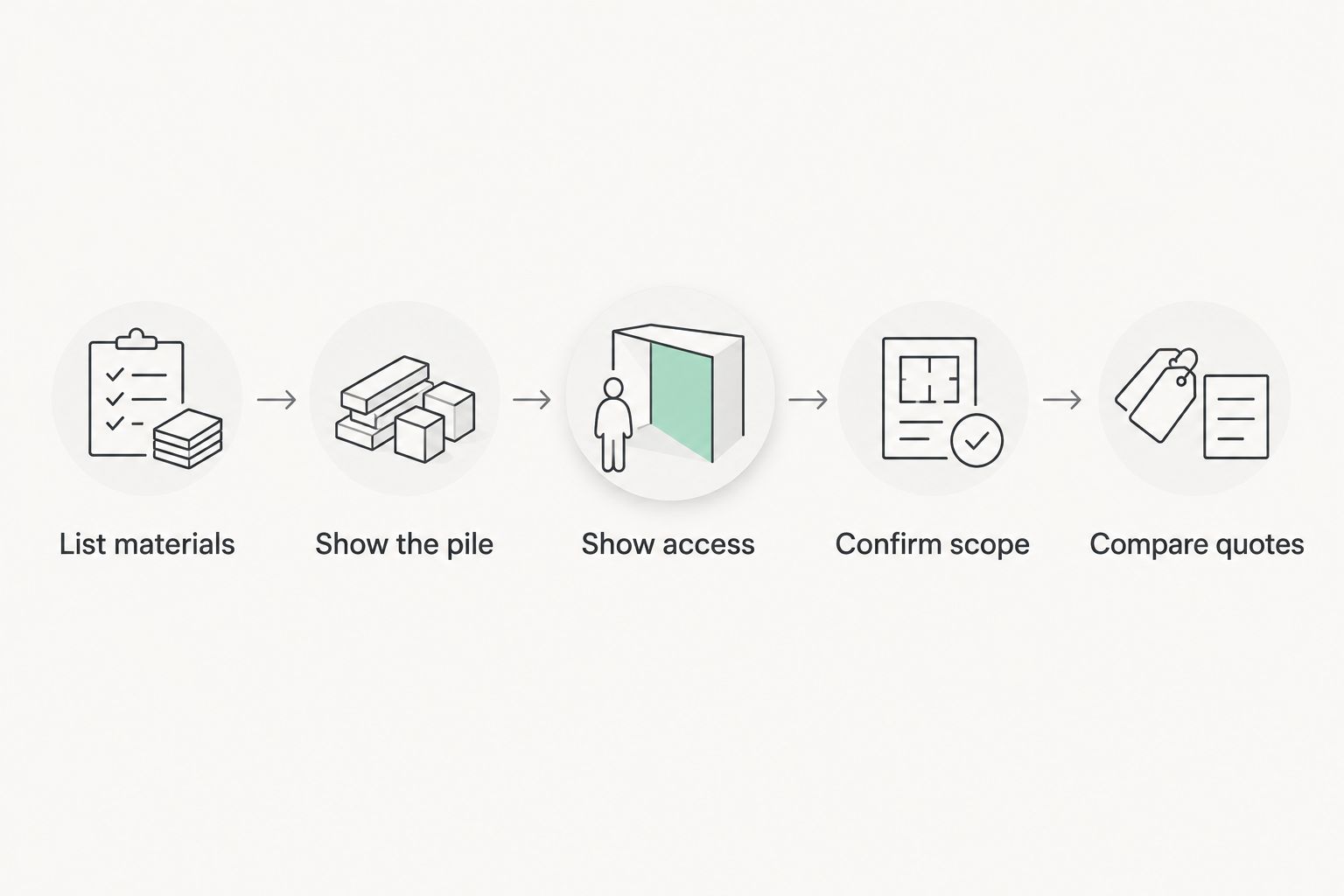
Before requesting construction waste removal in Melbourne in 2026, prepare a short brief. Use the same information for each provider so differences in quotes reflect the proposed service rather than different assumptions.
- List materials: Describe what is leaving and separate known materials from anything unidentified.
- Show the pile: Take 3 photos from different angles, including close views where contents are hidden.
- Show access: Add 1 access photo showing the gate, stairs or carrying route that affects removal.
- Confirm scope: Ask who carries and loads, what is excluded and how changes are handled.
- Compare quotes: Request 2 written quotes against that same brief rather than comparing unrelated job descriptions.
The photographs are a starting brief, not a substitute for disclosure. Tell the provider about concealed materials, difficult access and anything added after the quote. Getoutrubbish customers should confirm the agreed scope before collection rather than assuming later additions are included.
How the methods are ranked
Professional collection takes the default position because it directly addresses a defined mixed-waste clean-up. The remaining methods each solve a different problem: retaining useful items, separating materials, storing ongoing waste or transporting a manageable load yourself.
The ranking follows material suitability, scope, access, timing, separation and workload. It is not a price ranking, a provider comparison or a claim that any method accepts every construction material.
Which method should you choose?
Choose professional collection for a mixed clean-up, then assess reuse and separated recycling before finalising the load. Choose a skip instead when waste will accumulate throughout the work and the site supports container placement. Use self-haul only after checking the complete transport and handling task.
For your 2026 budget, the next move is a material list and an access check—not a booking based only on pile size. Those details give you a useful basis for comparing the actual work required.
FAQ
What’s the best construction waste removal option in Melbourne?
Professional collection is the default for a defined mixed renovation clean-up when the provider accepts the materials and site conditions. Skip hire suits ongoing waste generation, while separated recycling and self-haul suit more specific loads.
Is rubbish removal better than hiring a skip?
Rubbish removal suits a collection task, while skip hire suits waste accumulated over an agreed hire period. Compare loading responsibilities, access, accepted materials and placement requirements before choosing.
How do I compare construction waste removal quotes?
Give each provider the same material list, photographs and access details. Ask what carrying, loading, transport and disposal work the quote includes, and how exclusions or changes are handled.
Can Getoutrubbish remove renovation waste?
Getoutrubbish provides construction waste removal services across the Melbourne metro area. Confirm acceptance of your particular materials, access conditions and required handling before booking.
Can I put all my renovation waste in one skip?
Do not assume all renovation waste can go in one skip. Ask the supplier about each material, prohibited contents, weight restrictions and loading requirements before filling it.
What should I do if renovation waste might contain asbestos?
Stop disturbing suspected asbestos and seek advice from a qualified asbestos professional. Keep it out of ordinary renovation waste while its identification and appropriate handling are resolved.
Is taking construction waste to a facility myself the best budget option?
Self-haul is worth comparing only when you have suitable transport, safe handling arrangements and a confirmed destination. Include equipment, travel and your own handling time rather than comparing disposal alone.
One last thing
Photograph the access route, not just the rubbish. A clear view of stairs, gates and the carrying path helps define the removal task. Before anything is moved, agree exactly what leaves, what stays and who handles it.