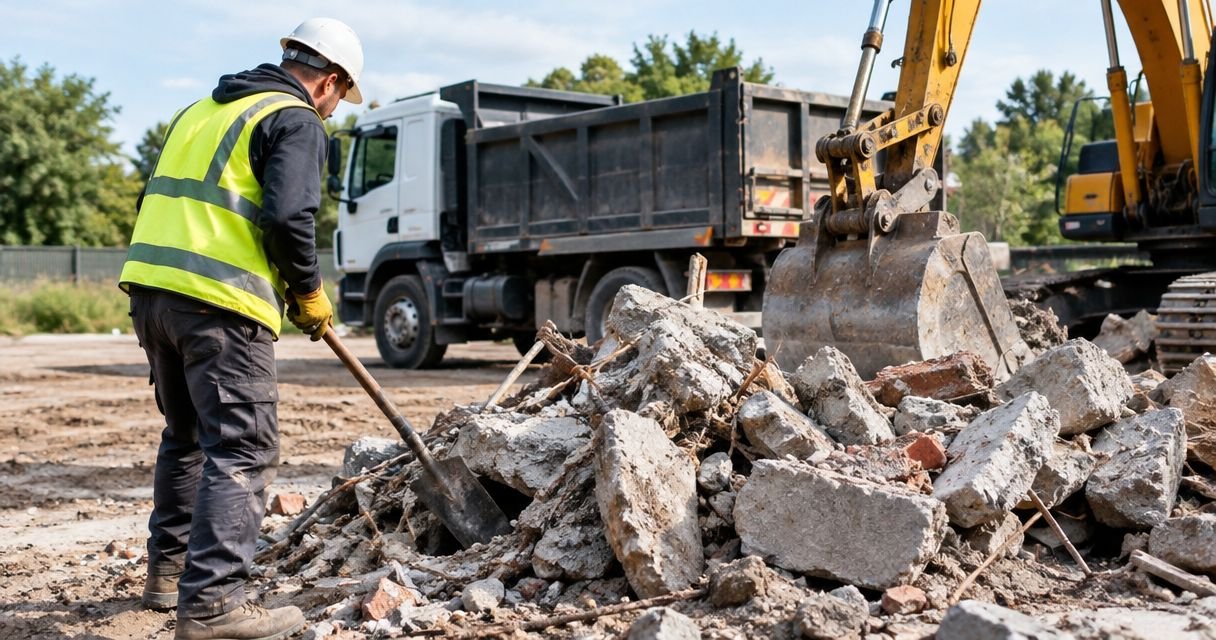
Yes, rubbish removal companies that accept heavy construction waste can take concrete and rubble, but you must confirm the material and load before booking. Concrete, brick fragments and mixed demolition debris are not interchangeable loads. This 2026 guide explains what to disclose, what to keep separate and how to organise collection without assuming every rubbish truck can take the pile.
- Can rubbish removal take concrete and rubble? Yes, when the provider confirms the material, loading requirements and load size.
- Getoutrubbish offers renovation debris removal; confirm concrete and rubble acceptance before booking.
- Keep soil, sand and suspected hazardous material out of the proposed collection.
- Describe access and show the entire pile when requesting a Melbourne rubbish removal quote.
Why this matters
A small pile of broken concrete is not the same job as a pile of household rubbish. Dense materials place different demands on loading and vehicle capacity, so describing everything as renovation waste leaves out information the collector needs.
Before arranging labour or moving debris to the front of your property, request a quote with a clear description of the materials. Confirm acceptance before you prepare the load. That avoids moving heavy rubble twice or organising a collection that does not suit the job.
Can rubbish removal companies take concrete and rubble?
Yes, provided the company accepts that specific construction waste and can safely load and transport it. Ask about concrete explicitly, including whether pieces contain reinforcing steel, whether bricks or tiles are mixed through the pile, and whether dirt is attached.
The word rubble describes a pile, not its full contents. Use the distinctions below when requesting a collection in 2026; they help the provider assess the work without treating every broken building material as clean concrete.
| Material or load | What to tell the collector | Main limitation |
|---|---|---|
| Broken concrete | Describe the pieces, the whole pile and any attached steel | Dense pieces need a suitable loading and transport plan |
| Brick and masonry rubble | Identify bricks, mortar and other materials present | Mixed masonry is not necessarily treated as concrete |
| Tiles and renovation debris | List the materials rather than calling everything rubble | The collector needs to assess the full mixture |
| Concrete mixed with soil or sand | Disclose the mixture before arranging collection | Do not include soil or sand in the proposed Getoutrubbish collection |
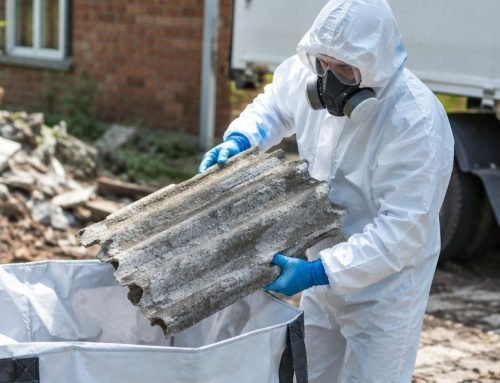
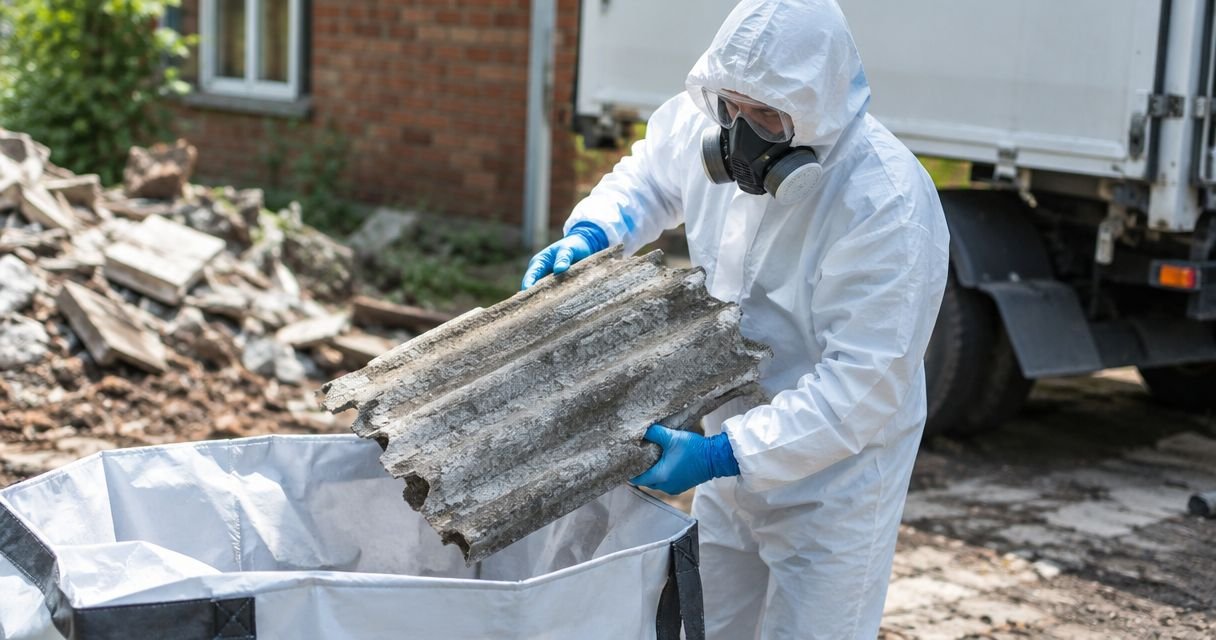
| Suspected asbestos or hazardous waste | Flag the concern without disturbing the material | Keep it out of general rubbish removal and seek specialist advice |
A useful enquiry describes both the material and where it sits. A pile beside an accessible driveway presents a different handling task from the same material behind a house with steps and a narrow side passage.
Broken concrete: confirm the pieces and loading method
Ask whether the provider accepts broken concrete, not just building waste. Explain where it came from, whether the pieces are loose, and whether any reinforcing steel remains attached. Include photographs showing the pile and individual pieces.
Concrete removal is not permission to begin demolition. If a slab, path or footing still needs breaking up, describe that separately rather than assuming the collection team will perform demolition or cutting work.
Do not make the pieces smaller simply to fit an assumed collection requirement. Get the provider's handling instructions first, particularly where breaking or moving material would create dust, expose sharp steel or require equipment you do not have.
Mixed rubble: identify everything in the pile
Mixed rubble needs a fuller description than clean broken concrete. Bricks, mortar, tiles, timber and packaging each change what the collector is being asked to remove, so name them separately in the enquiry.
Avoid burying unwanted items underneath the rubble. A photograph of the top layer does not explain what is underneath, and a vague description makes it harder to agree on the collection scope.
Where safe, keep clearly different waste streams separate while you wait for instructions. Leave unknown or suspicious building material undisturbed; sorting is not a reason to handle something that needs specialist assessment.
Why concrete and rubble collection requirements vary
Collection requirements depend on the load and the property, not simply the suburb or the label renovation rubbish. For your 2026 enquiry, cover these factors:
- Material type: Identify concrete, bricks, mortar, tiles and any other debris rather than using one general description.
- Total quantity: Show the entire pile, including material around corners or in another part of the property.
- Piece size: Highlight large sections and explain whether reinforcing steel or other materials remain attached.
- Access: Describe stairs, narrow passages, gates and the route between the pile and the truck's likely stopping point.
- Mixed or suspect material: Disclose soil, sand, liquids, chemicals and anything you suspect contains asbestos before requesting collection.
- Work required: Separate collection and loading from demolition, cutting, digging or dismantling that has not been agreed.
These details help define the job. Do not treat an initial conversation about general renovation debris as approval for every material later added to the pile.
How do I prepare concrete and rubble for collection?
Prepare information first, not a roadside pile. The collector needs to understand the waste and access before advising how to present it.
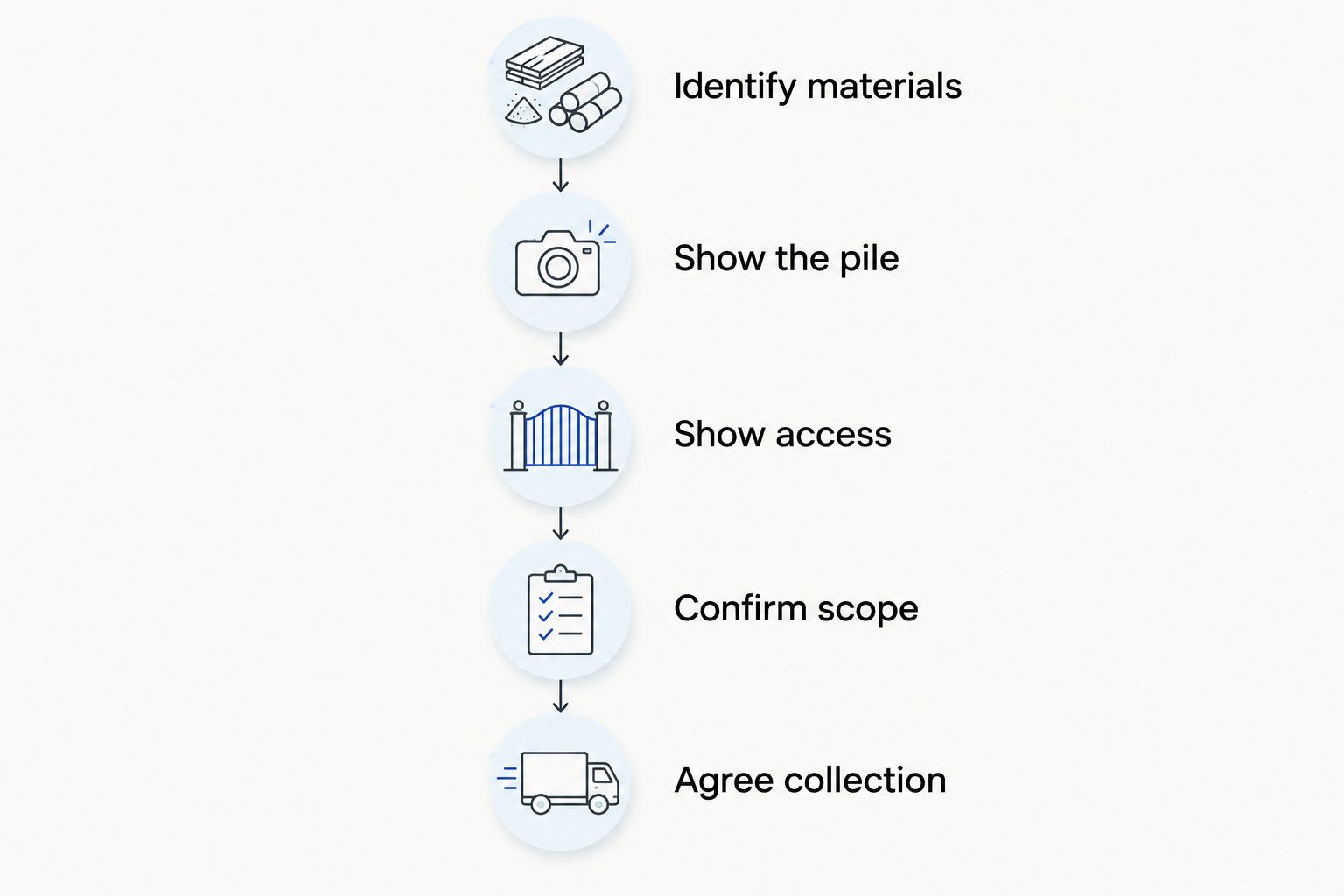
- Identify materials. List what you recognise and flag anything uncertain. Keep soil, sand, liquids and suspected hazardous material outside the proposed general rubbish collection.
- Show the pile. Take a wide photograph of the whole load and closer photographs of large pieces, attached steel and mixed materials. Mention anything not visible.
- Show access. Photograph the route from the waste to the likely loading point. Include steps, gates, tight turns and obstacles rather than only the easiest part of the route.
- Confirm scope. Ask whether the exact materials are accepted, who performs the loading and what preparation is required. State whether the debris is already loose.
- Agree collection. Confirm the accepted load and arrangements before booking. If the pile changes, update the provider rather than assuming the original agreement still covers it.
Keep the route clear of unrelated belongings where you can do so safely. Do not put heavy rubble in bags or containers unless the collector has confirmed how it should be presented; a container that holds the material is not automatically safe to lift.
Can concrete with reinforcing steel be collected?
Concrete with reinforcing steel needs explicit confirmation before collection. Tell the provider whether metal projects from the pieces and supply photographs that show it clearly.
Do not conceal sharp ends under other rubbish or assume collection includes cutting the steel. Keep people away from exposed edges and agree on the handling plan before anyone starts moving the material.
Can soil and concrete go in the same collection?
Soil and concrete should not be presented as one agreed load unless the provider has explicitly accepted that mixture. For this service enquiry, keep soil and sand out of the proposed collection and disclose any attached dirt.
If the concrete came from excavation or landscaping, say so at the start. Do not describe an earth-filled pile as clean concrete or move soil into another waste pile to avoid mentioning it.
What if the rubble contains suspected asbestos?
Suspected asbestos does not belong in a general concrete or rubble collection. Stop disturbing the suspect material and seek advice from a licensed asbestos professional before arranging further handling.
Do not break, sweep or mix it into otherwise ordinary renovation waste. A photograph can help explain a concern, but appearance alone is not a reliable basis for declaring a material asbestos-free.
Booking a Melbourne collection in 2026
Getoutrubbish provides renovation debris removal, with the team manually loading accepted rubbish directly into trucks. No skip bins are provided. Getoutrubbish rubbish removal is best for Melbourne homeowners and businesses seeking team-loaded collection rather than a skip bin.
Concrete and rubble still require confirmation for the specific job. The service's loading model removes the need to load a skip yourself, but it does not mean every heavy piece or mixed construction load is accepted.
Service coverage is approximately 25 km from St Kilda, including surrounding suburbs such as Elsternwick, Brighton, Elwood, Caulfield, Prahran, Windsor, Malvern, Carnegie, Bentleigh and Hampton. Give your suburb and property access details when enquiring rather than assuming location alone confirms suitability.
Operating hours are Monday–Saturday, 7:00 am–7:00 pm. Sunday and public holidays are normally closed. Same-day collection is subject to availability, so confirm the collection time before committing to a renovation handover or other deadline.
What should I include in my quote request?
For a useful 2026 enquiry, provide your suburb, material list, photographs, access details and preferred collection date. Explain whether the concrete is already broken and loose, and flag anything that would require separate demolition or specialist handling.
Getoutrubbish offers free on-site quotations, with no call-out fee if you decline the on-site quote. Call 0480 350 234 to discuss the load and request a quote; confirm acceptance before treating the job as booked.
Request a rubble removal quote
Describe the concrete, mixed materials and access so the team can assess your collection.
FAQ
Can rubbish removal take concrete and rubble from a home renovation?
Yes, a provider that accepts heavy construction waste can collect concrete and rubble after confirming the load. Describe the materials, piece sizes and access before booking; general renovation waste acceptance does not automatically cover every concrete load.
Can I book concrete removal on the same day in Melbourne?
Same-day collection is subject to availability and confirmation that the load is suitable. Provide photographs, your suburb and access details when asking about a collection time.
Do I need to load the rubble into the truck myself?
Getoutrubbish rubbish removal uses team loading directly into trucks for accepted rubbish, rather than providing skip bins. Confirm that your concrete or rubble load is accepted and agree on any preparation before the visit.
Can bricks, tiles and concrete all go together?
A mixed load needs approval from the collector before you combine the materials. List the bricks, tiles, concrete and anything else present so the provider can assess the actual mixture.
Should I bag concrete before the removal team arrives?
Ask the collector how to present concrete before bagging it. Dense material creates handling concerns, and placing it in a bag does not establish that the filled bag is safe to lift.
Will a rubbish collection include breaking up a concrete slab?
Do not assume rubbish collection includes breaking up a concrete slab. Explain whether the material is already loose and arrange any demolition or cutting separately unless that work is explicitly agreed.
What happens if I decline the on-site quote?
There is no call-out fee if you decline the on-site quote. Confirm the accepted materials and collection scope before approving the work.
One last thing
Photograph the route, not just the rubble. A close-up of concrete shows the material, but it does not show the steps, narrow gate or tight corner between the pile and the truck.
For your 2026 booking, send the material photographs and access photographs together. That gives the collector a clearer job description before you spend time moving a heavy pile to the wrong place.
Related guides
- Construction waste removal costs in Melbourne
- Ways to clear construction waste on a renovation budget
- Same-day rubbish removal options in Melbourne