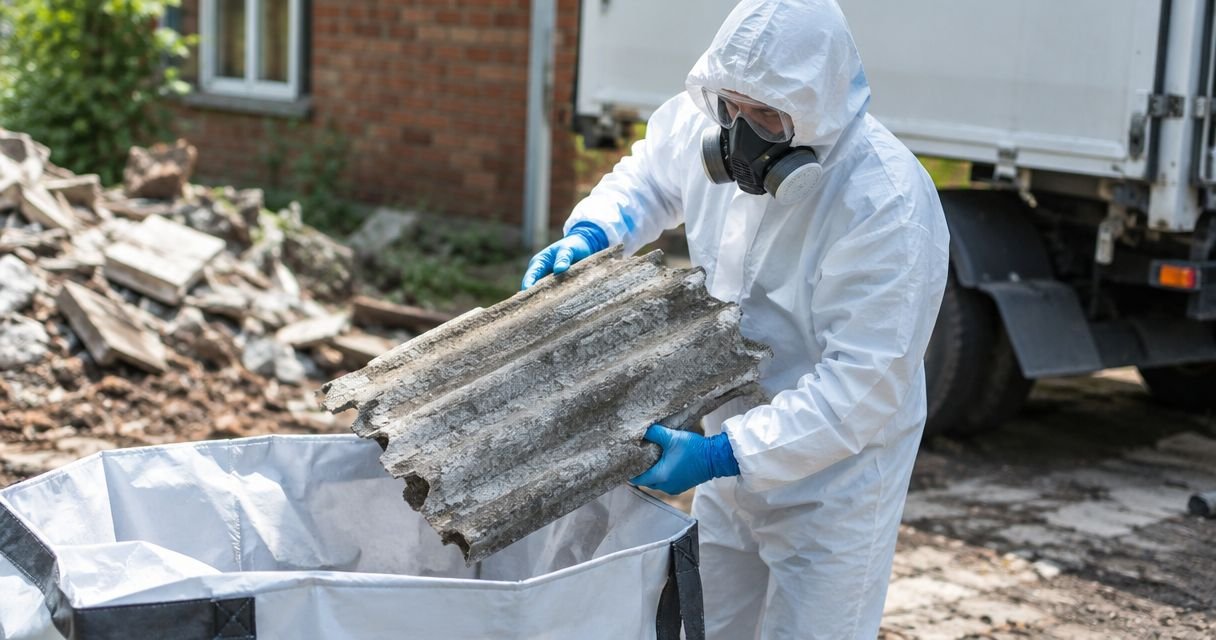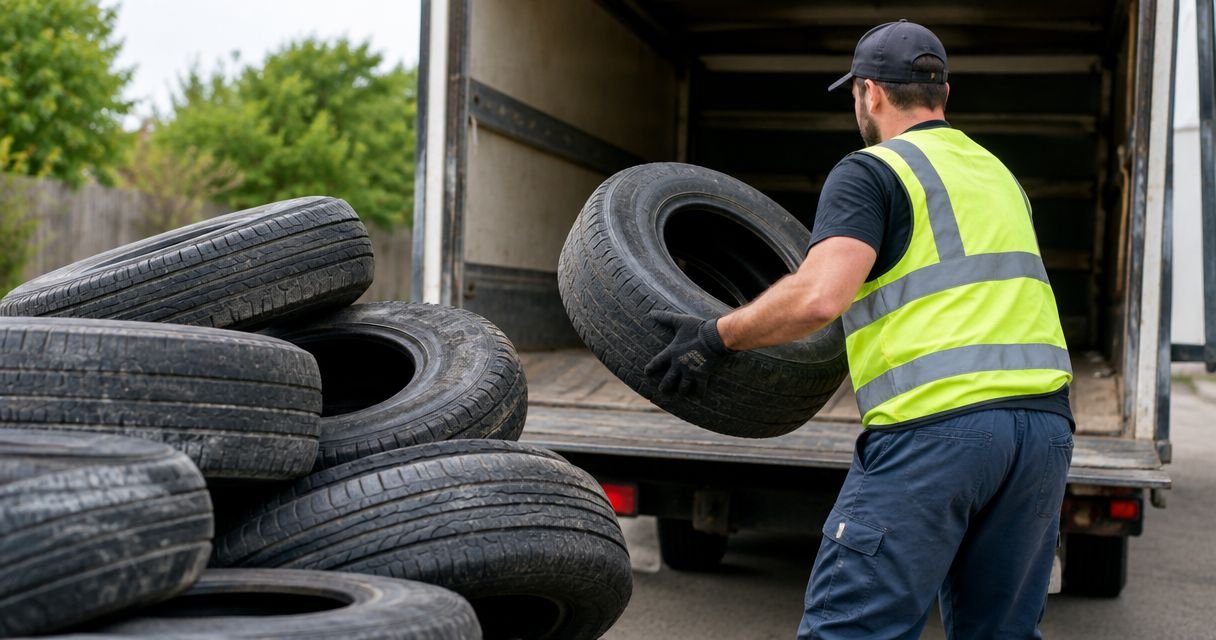
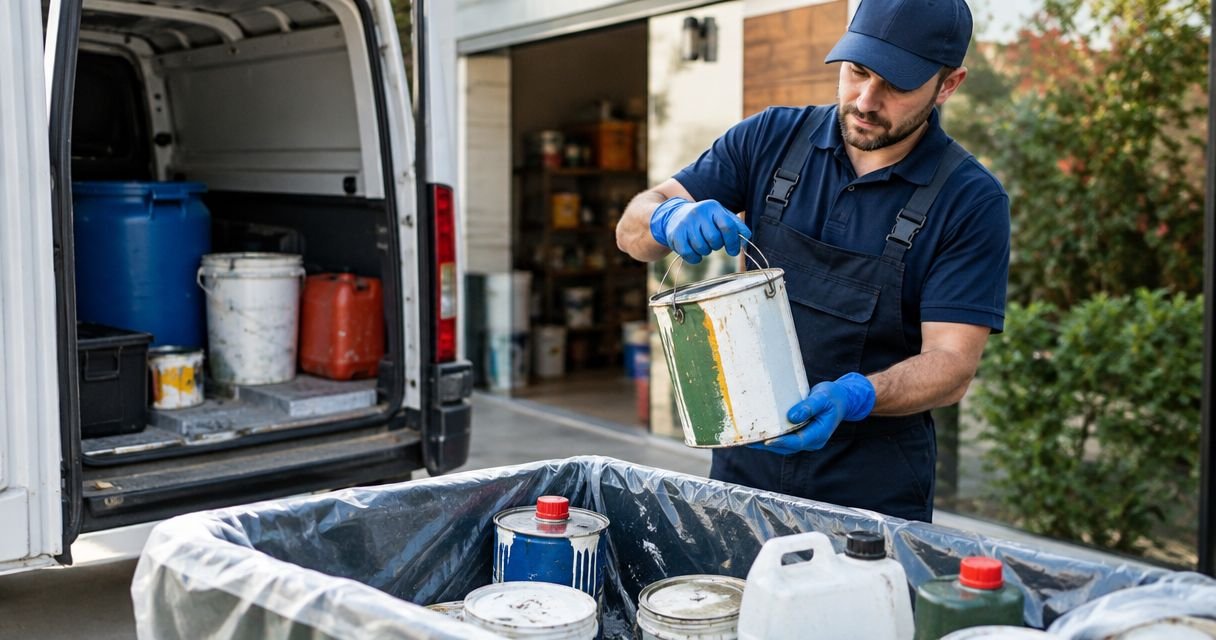
Do not include old paint, hazardous chemicals or liquid waste in an ordinary rubbish removal booking unless the provider explicitly confirms an appropriate disposal service. Leftover paint needs a paint-specific collection pathway, while household chemicals need a collection service that accepts the exact substance. For a Melbourne clean-out in 2026, separate these materials before arranging collection of your furniture, household rubbish or renovation debris.
- Can rubbish removal take paint and chemicals? Never assume acceptance; confirm a suitable disposal pathway before booking.
- Paintback is a paint-specific option; check current product and container acceptance before travelling.
- Keep household chemicals separate from general rubbish and never mix leftover products.
- Get Out Rubbish Pty Ltd suits household rubbish removal, not hazardous chemicals or liquid waste.
Can rubbish removal companies take old paint and chemicals?
Ordinary rubbish removal is not the same as paint or hazardous chemical disposal. A company agreeing to collect a garage full of rubbish does not automatically agree to take the liquids stored inside it.
Start by identifying what you have. Paint, thinners, pesticides, cleaning chemicals and unlabelled liquids need separate assessment rather than a single description such as garage waste.
If you are organising the general rubbish portion, request a quote with a clear description of the accepted items you want removed. Disclose any paint or chemicals nearby without including them in the collection pile.
| Disposal pathway | Best for | Main benefit | Main limitation |
|---|---|---|---|
| Ordinary rubbish removal | Furniture and confirmed non-hazardous household rubbish | The team can load accepted items directly into a truck | Does not establish acceptance of paint, chemicals or liquids |
| Paint-specific collection | Eligible leftover paint and paint packaging | Keeps paint within a dedicated collection pathway | Product, container and site conditions need checking |
| Household chemical collection | Household chemicals explicitly accepted by the program | Gives you a separate route for eligible chemical waste | Booking, location and material restrictions apply |
| Specialist waste service | Chemicals outside household collection rules | Allows assessment of the particular waste | Acceptance and handling arrangements require direct confirmation |
Why this matters
A mixed rubbish pile hides the information a collector needs. A sealed paint tin beside a broken wardrobe is still a separate waste stream, even when both came from the same room.
Sorting first also stops you planning a collection around the wrong service. Book ordinary rubbish removal for confirmed general waste, and organise paint and chemicals separately.
The same distinction applies during a renovation, deceased estate clearance or end-of-lease clean-out. Describe the material, not just the job: renovation debris tells a provider much less than timber offcuts, furniture, paint tins and cleaning chemicals.
Leftover paint: use a paint-specific collection pathway
Paintback is an Australian collection scheme for eligible architectural and decorative paint and packaging. Check its current acceptance information and the receiving location's conditions before taking anything there.
Do not assume that everything used while painting belongs in the same collection. Paint thinners, solvents, adhesives and other products need their own acceptance checks.
For a paint clear-out in 2026, work through these questions:
- Can you read the product name and original label without opening the container?
- Is it household paint, a coating or another product entirely?
- Is the container closed and in sound condition?
- Does the collection location accept that product and packaging?
- Do its current quantity and delivery rules fit your load?
Best for: eligible leftover paint with an identifiable product label. The benefit is a paint-specific route; the limitation is that eligibility does not extend to every coating or decorating chemical.
Do not open old tins just to estimate how much remains. Describe the containers as accurately as you can and ask the receiving service what information it needs.
Household chemicals: check the exact product first
Household chemicals do not share a single disposal rule. A pesticide, drain cleaner and solvent are different materials, and a service accepting one does not automatically accept the others.
Ask your local council which household chemical collection arrangements currently serve your area. Confirm the receiving program's accepted products, booking requirements and packaging instructions directly before making the trip.
Best for: household chemicals that the receiving program explicitly lists as accepted. The benefit is a defined collection route; the limitation is that household programs are not a blanket solution for unidentified materials or business waste.
If you cannot identify a container, describe it as unknown. Do not guess from its colour, location or the sort of bottle it is stored in.
For your 2026 enquiry, write down the label wording rather than reducing everything to cleaning products. The exact product name gives the receiving service a better basis for its instructions.
Empty paint tins and dried residue still need checking
An apparently empty tin is not automatically general rubbish. Residue, the original contents and the receiving service's rules still matter.
Tell the collector whether you have closed tins with leftover paint, containers that appear empty, or packaging with dried residue. Do not describe all of them as scrap metal or harmless empty containers.
Ask these questions before putting packaging into any collection:
- Does the service accept containers that previously held this product?
- Does it distinguish between leftover contents and dried residue?
- Must the original label remain attached?
- Are there specific instructions for lids or damaged packaging?
Keep the container intact while you seek instructions. Do not rinse leftover paint or chemical residue into a drain to make packaging appear clean.
Why paint and chemical acceptance varies
Acceptance depends on the material and the receiving service, not simply on whether a truck has room. These are the details to confirm:
- Product type: paint, solvent, pesticide and cleaning chemicals require different checks.
- Physical condition: liquid contents, dried residue and apparently empty packaging are not interchangeable descriptions.
- Container condition: leaking, corroded or damaged packaging requires specific advice before handling.
- Waste source: household collection rules do not automatically cover waste generated by a business.
- Quantity: the receiving service sets its own limits; confirm them rather than estimating what it will allow.
- Location: a collection point or program needs to accept your material at the place you intend to use.
A quick phone enquiry is only useful when the description is accurate. Saying there are several old containers is a start, but the labels, condition and source determine the next questions.
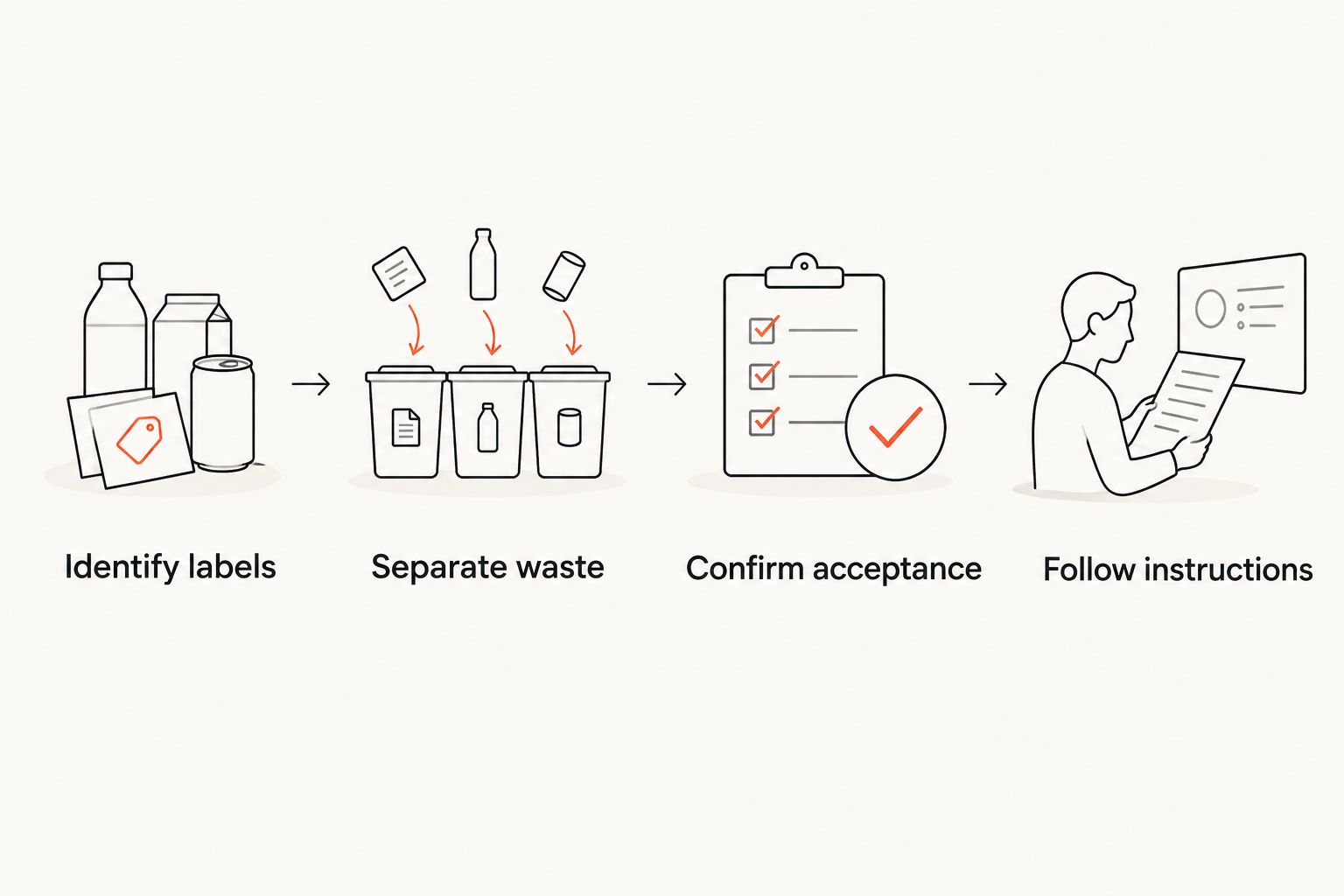
How do you prepare for a safe collection enquiry?
Identify what you can without opening, moving or disturbing suspect containers. Your job is to provide clear information, not to test the contents or make them easier to transport yourself.
- Identify labels. Read product names and warnings where they are safely visible. Do not sniff, taste or mix contents to identify them.
- Separate waste. Keep paint and chemicals out of the general rubbish collection pile. Leave questionable containers alone if moving them creates a risk.
- Confirm acceptance. Ask the receiving service about the exact material, container condition and waste source.
- Follow instructions. Use the receiving service's handling and transport directions before arranging a drop-off or collection.
The sequence matters. Transport is the final decision, not the first: acceptance does not mean a damaged container is safe to put into your car.
How should you sort the rest of a garage or shed?
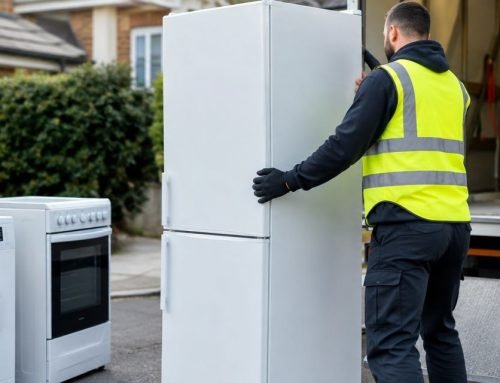
Sort by material rather than by room. A garage clear-out can contain furniture, garden waste, electronics, paint and chemicals, but sharing a storage space does not give those items a shared disposal route.
Create a written list of the ordinary rubbish you want collected. Keep a separate list for items needing acceptance checks, and identify anything that must remain on site until specialist advice is available.
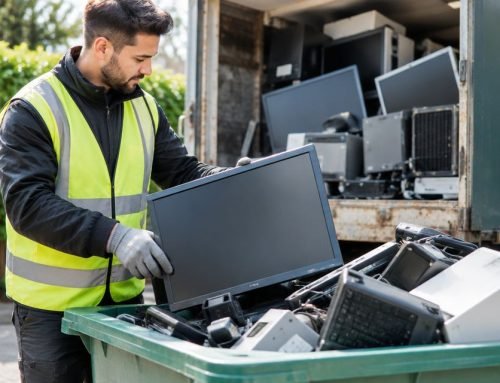
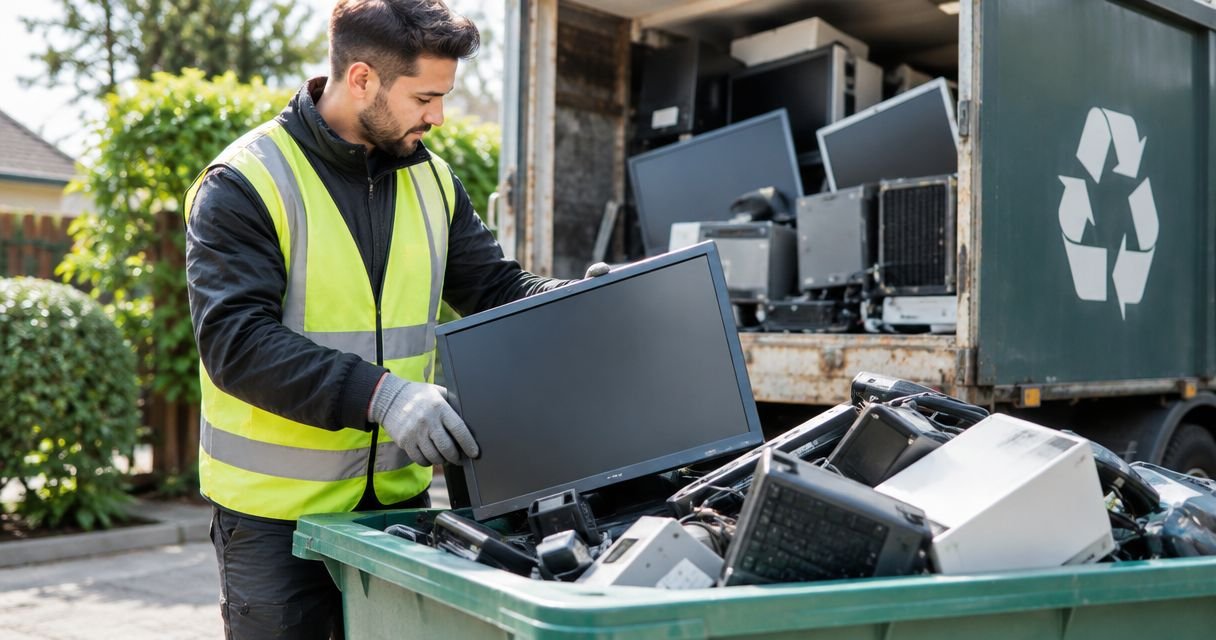
The same separation principle applies when disposing of electronics and old TVs: an electrical item is not a chemical container, and each needs its own acceptance decision. Do not let an accepted furniture load become a catch-all for everything left in the shed.
For a Melbourne garage clean-out in 2026, describe access as well as contents. Tell the general rubbish collector about stairs, narrow passages and where the accepted items sit, while making clear that chemicals are excluded from that load.
Keep the general rubbish collection area distinct from the materials awaiting separate advice. Never place an unlabelled bottle inside a cupboard or box being removed.
What if a container is leaking or has no label?
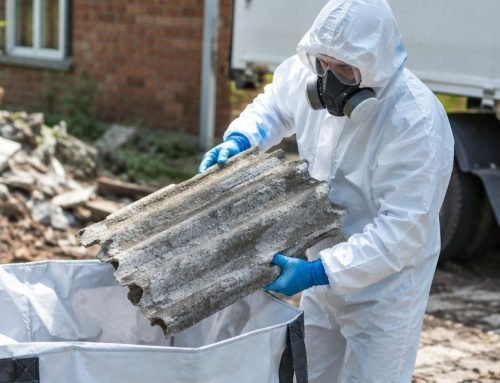
Do not put a leaking or unidentified chemical container into the rubbish truck load. Do not pour it into another bottle or combine it with other leftovers to reduce the number of containers.
Keep people and pets away. Avoid touching the contents or creating sparks near an unknown substance, and seek advice from the relevant waste service before disturbing it.
If a spill, fumes or exposure creates an immediate danger, contact emergency services rather than treating the situation as a routine collection booking. A rubbish removal appointment is not an emergency chemical response.
An unreadable label also changes the enquiry. Explain that the contents are unknown, mention any safely visible markings, and let the receiving service tell you what happens next.
Can a rubbish removal team collect everything else?
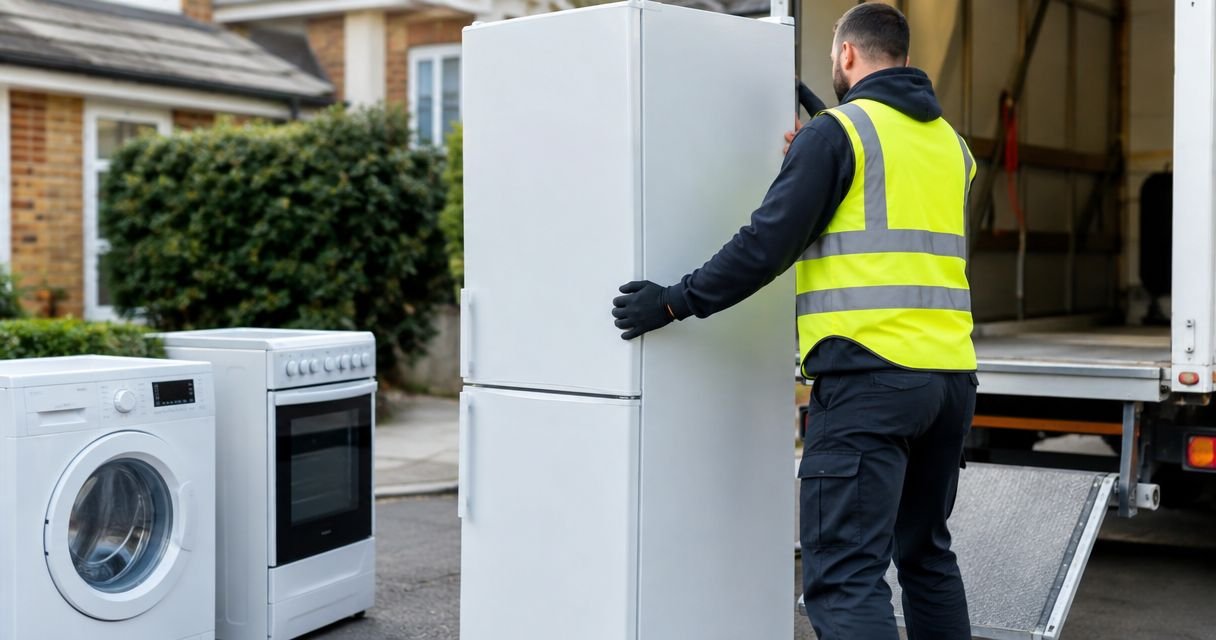
Get Out Rubbish Pty Ltd is best for Melbourne households needing ordinary rubbish manually loaded into a truck, not chemical disposal. The service covers household rubbish, furniture and mattresses, green waste, renovation debris, and other stated clean-out work, subject to confirming the actual load.
Get Out Rubbish Pty Ltd does not provide skip bins. The team loads accepted rubbish directly into trucks, so you do not need to arrange a skip bin for that service; paint, hazardous chemicals and liquid waste remain outside the collection discussed here.
For 2026 bookings, the owner-confirmed service area is approximately 25 km from St Kilda. This includes surrounding suburbs such as Elwood, Elsternwick, Brighton, Caulfield, Prahran, Windsor, Malvern, Carnegie, Bentleigh and Hampton; confirm your address when enquiring.
Call 0480 350 234 to discuss the general rubbish load. Operating hours are Monday–Saturday, 7:00 am–7:00 pm; Sunday and public holidays are normally closed.
Get Out Rubbish Pty Ltd offers free on-site quotations, with no call-out fee if you decline the quote. Same-day collection is subject to availability, so confirm the booking rather than assuming a same-day visit.
Request a general rubbish quote
Describe your household rubbish separately from any paint, hazardous chemicals or liquid waste.
Can I leave paint beside my booked rubbish collection?
Do not leave paint in the booked collection pile without explicit acceptance. Keep it separate and tell the collector it is not part of the ordinary rubbish load.
This applies even when the tin is closed or looks nearly empty. Appearance does not replace an acceptance check.
Can I pour old paint or chemicals down the drain?
Do not pour old paint or chemicals into household drains, stormwater drains or onto the ground. Keep the material contained and obtain disposal instructions for the exact product.
Do not rinse containers simply to turn a leftover-liquid problem into an empty-container problem. The contents still need an appropriate disposal route.
FAQ
Can rubbish removal take paint and chemicals in Melbourne?
Do not assume ordinary rubbish removal accepts paint or chemicals. Arrange a paint-specific or chemical disposal pathway and confirm the exact material with the receiving service.
Can I put old paint tins out with hard rubbish?
Only put old paint tins into a collection if that service explicitly accepts their contents and condition. Leftover paint, dried residue and apparently empty tins need separate checks.
Where can I take leftover household paint?
Check whether Paintback accepts your paint and packaging at a suitable collection location. Confirm current product, quantity and site conditions before travelling.
What should I do with unlabelled chemicals in my shed?
Leave unidentified chemicals out of the general rubbish load and seek specialist disposal advice. Do not open, sniff, mix or decant them to work out what they are.
Can a business use a household chemical collection program?
A business must confirm eligibility rather than assume household collection rules apply. Describe the waste source, product and quantity when asking about acceptance.
Can I book same-day collection for furniture while keeping chemicals separate?
You can enquire about same-day collection of accepted furniture and household rubbish, subject to availability. Paint, hazardous chemicals and liquid waste need a separate disposal arrangement.
What information should I give before booking a rubbish clean-out?
Describe the items, access and location, and explicitly identify any paint or chemicals excluded from the load. Tell the collector about unlabelled or damaged containers without handling them unnecessarily.
One last thing
The most useful detail is the product label, not the size of the rubbish pile. A clear description lets the receiving service assess the material before you move it.
Before your 2026 clean-out, make two lists: ordinary rubbish ready for an acceptance check, and paint or chemicals needing a separate pathway. That simple split keeps the booking clear and prevents excluded containers disappearing into a mixed load.
Related guides
- Best ways to dispose of hard rubbish in Melbourne
- Can rubbish removal companies take e-waste and electronics?
- Can rubbish removal companies take concrete and rubble?