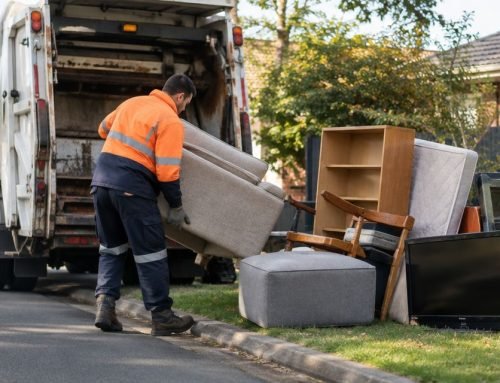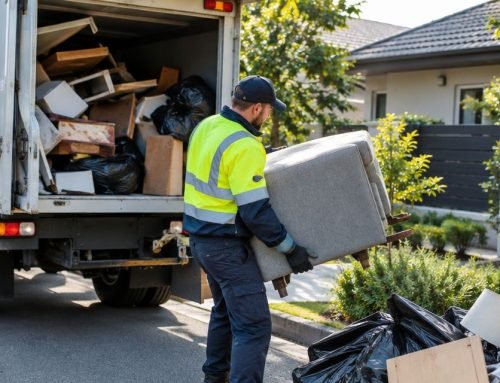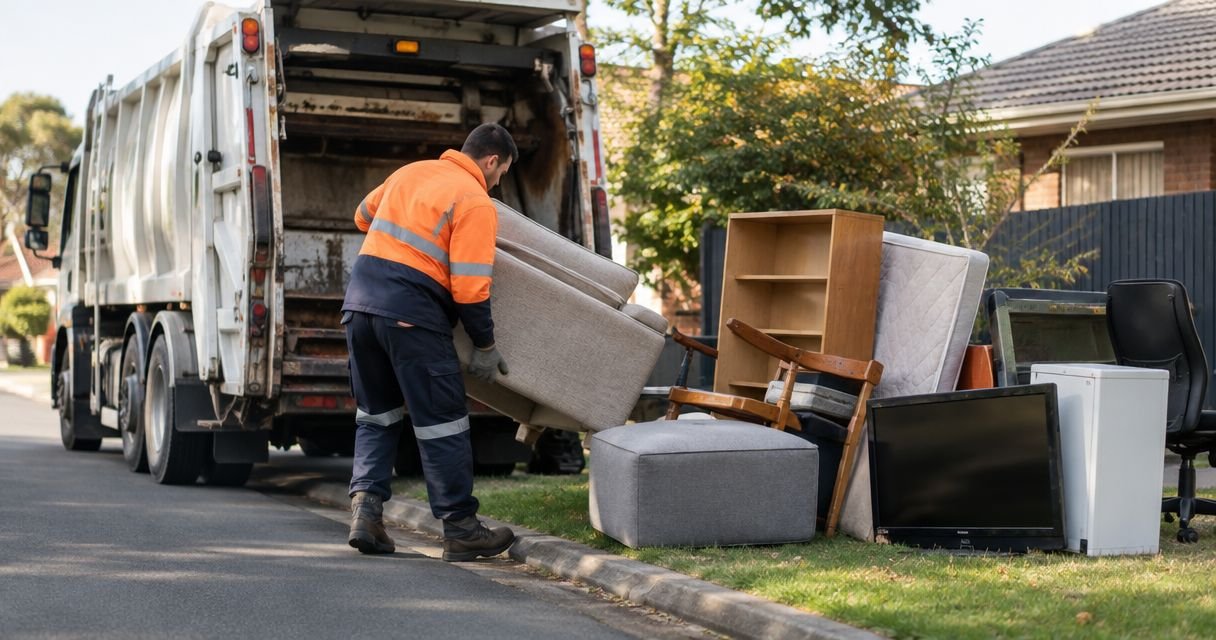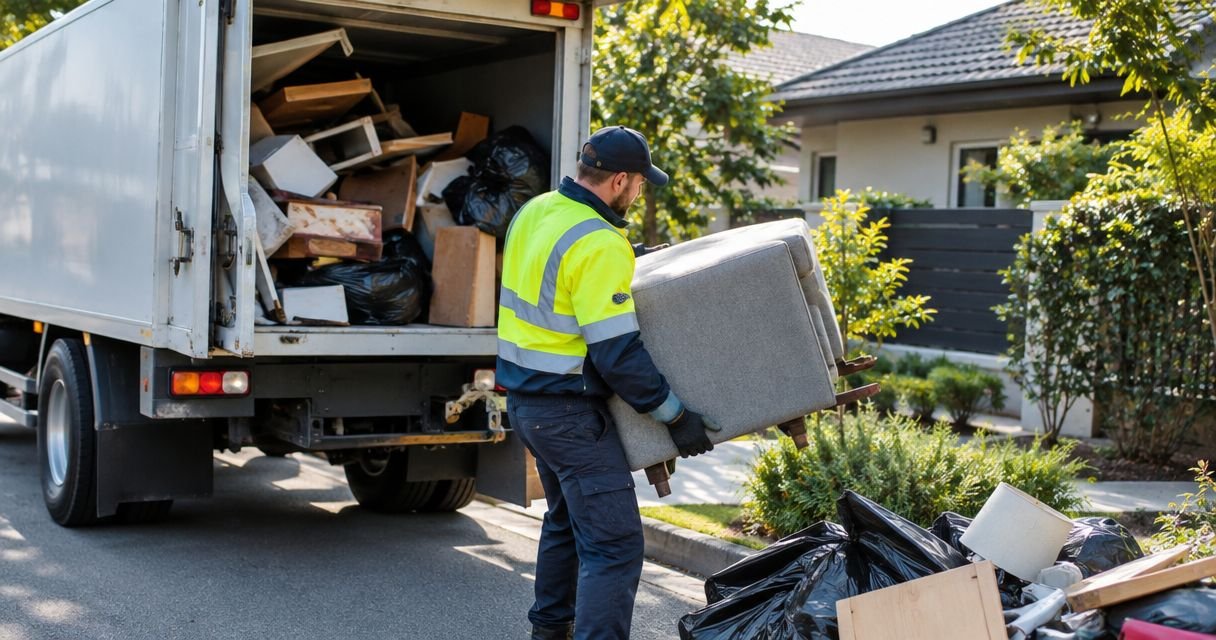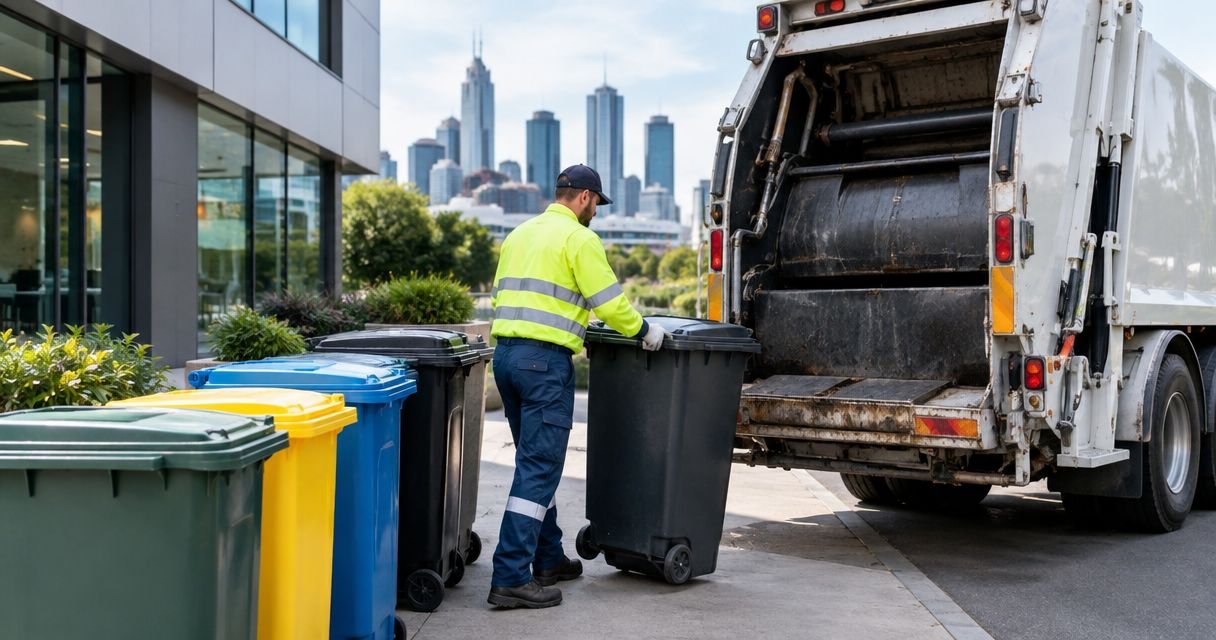

Instead of repeatedly sorting donations and then scrambling to clear rejected items, organise charity donation pickup in Melbourne around confirmed acceptance, a collection booking and a separate plan for leftovers. This 2026 workflow takes you from the first donation pile to a cleared room without treating a rubbish removal booking as a charity collection.
- For charity donation pickup Melbourne households should confirm acceptance before booking final rubbish removal.
- Get Out Rubbish Pty Ltd handles rubbish removal, not charity donation collection.
- Keep accepted donations separate until the charity collects them; a booking alone does not complete the handover.
- Photograph leftovers and access constraints before requesting a clearance quote.
Why this matters
A donation pile is not a confirmed donation. The receiving charity needs to assess what it accepts, whether it collects from your address and how its collection process works. Confirm those details directly rather than assuming every usable item qualifies.
Get Out Rubbish Pty Ltd is best for Melbourne households needing rubbish removal after accepted donations have been collected. The team manually loads rubbish directly into trucks; no skip bins are provided. You can get a quote for the remaining clearance, keeping that enquiry separate from your charity booking.
For a 2026 move, estate clearance or garage clean-out, the order matters more than how quickly you make the first call. Separate the decisions: what stays, what a charity accepts and what requires removal.
Before you start
- Authority and materials: Have permission to release the belongings, a phone for photographs and a written item list. For shared households or deceased estates, settle ownership questions before offering anything for collection.
- Collection details: Have the suburb, address, preferred collection date, stairs, lift access and parking information ready. Get Out Rubbish Pty Ltd covers approximately 25 km from St Kilda, including surrounding suburbs such as Elwood, Brighton, Caulfield and Bentleigh; confirm your address when enquiring.
- The easily missed problem: A general collection booking does not establish acceptance of every item. Ask the charity which specific items it has accepted, whether assessment continues at collection and what you must do if something is declined.
Keep asbestos, hazardous chemicals, liquid waste, soil and sand out of the proposed rubbish load. Do not include unidentified containers or suspect materials on the assumption that either collector will take them.
Donation inventory
Sort by destination, not by room
- Keep: Identify belongings that remain with you or another authorised owner. Put documents, keys, personal photographs and valuables aside before opening the room to collection crews.
- Donation enquiry: List items you want a charity to assess. Describe their actual condition, including stains, damage, missing parts or anything that affects use. Do not label them accepted yet.
- Rubbish enquiry: List unwanted items that need a separate removal assessment. Keep uncertain materials on the list with a clear description rather than concealing them inside bags.
- Unresolved: Hold anything with disputed ownership or an unclear destination. Assign someone to resolve it before the collection date.
Use plain item names rather than broad descriptions such as miscellaneous furniture. A list identifying a dining table, chairs and a wardrobe gives the receiving organisation something concrete to assess. Photographs should show each item as well as its condition.
Keep matching parts together. A detached shelf or furniture fitting should stay with its original item, not disappear into the rubbish pile while you wait for an answer.
Expected result: Every item has a proposed destination, and nothing becomes a donation simply because it looks reusable.
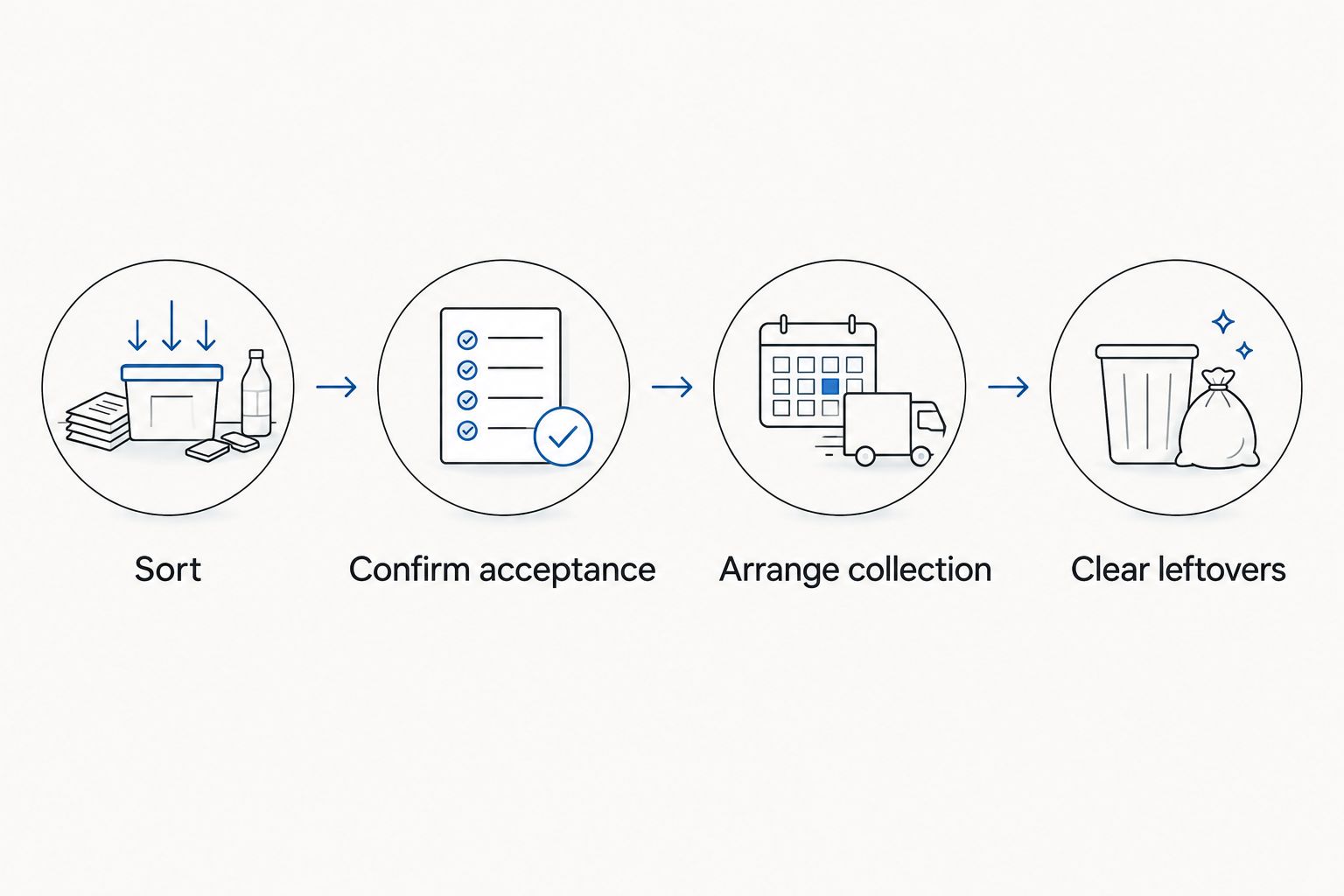
The sequence below keeps the handover points separate. Move an item to the next stage only when the relevant decision has actually been made.
Charity acceptance and collection booking
Confirm the items before the date
- Send the inventory. Give the charity your item descriptions, photographs and suburb through its stated enquiry channel. Ask whether collection covers your address and whether it needs any further information.
- Confirm acceptance. Ask for an item-by-item response. Clarify whether an item is accepted from the photographs or remains subject to an assessment when the collector arrives.
- Arrange collection. Agree on the collection date or window and the access arrangements. Ask whether items stay inside, move to an accessible room or require another agreed presentation method.
- Record the outcome. Update your list with the charity name, accepted items, collection details and any unresolved conditions. Keep the confirmation somewhere the person attending the property can access.
Do not assume a charity collector will dismantle furniture, carry it down stairs or collect from an unattended property. Ask directly. Describe the access before agreeing to the booking, not when the vehicle arrives.
If furniture is declined, the next decision is its destination, not an immediate move to the kerb. The guide to getting rid of old furniture in Melbourne covers that separate disposal decision.
Expected result: You know which items the charity intends to collect, what conditions remain and how the handover will happen.
Collection access and handover
Protect the donation load
- Keep items identifiable. Match the accepted list to the physical items. Use temporary labels if needed, without sticking anything to delicate surfaces or covering damage the collector needs to inspect.
- Prepare the route. Remove loose clutter from the agreed carrying path. Tell the collector about narrow doors, stairs, lifts, gates and parking restrictions before collection.
- Check the handover. Have the authorised person available as agreed. Confirm what actually leaves and record anything declined or left behind before arranging the next removal stage.
Do not move heavy furniture yourself just to make the booking appear ready. Explain the access and ask what preparation the collector requires. Keep items protected from weather while following the agreed collection instructions.
Expected result: The completed collection list reflects the items actually taken, not the items you originally hoped to donate.
Choose the right destination for each remaining item
These are different routes with different jobs. Choose by item condition and acceptance, not by assuming one booking covers everything.
| Route | Best for | Advantage | Limitation |
|---|---|---|---|
| Charity collection | Items the receiving charity agrees to accept | Transfers accepted goods for the charity's use | Acceptance, access and collection arrangements need confirmation |
| Charity drop-off | Accepted donations you can safely transport | Lets you handle the delivery yourself | Requires direct confirmation of the receiving location's rules |
| Rubbish removal | Unwanted leftovers requiring an assessed clearance | The removal team loads the agreed rubbish | Does not establish a charity donation pathway |
Keep donation and rubbish instructions separate. A removal crew should not have to guess which chair is being kept, which charity accepted the table or whether an unmarked bag contains household documents.
Final clearance booking
Quote the remaining load
- Update the scope. Photograph what remains after donation collection. Include items left in cupboards, garages and sheds if they form part of the same clearance request.
- Describe the access. State the suburb, floor level, stairs, lift arrangements, carrying route and parking constraints. Mention any changes since your first enquiry.
- Request the assessment. Get Out Rubbish Pty Ltd provides free on-site quotations, with no call-out fee if you decline the quote. Confirm the agreed items and access arrangements before work proceeds.
- Arrange the collection. The team loads agreed rubbish directly into trucks. Keep retained belongings and unresolved items clearly outside the clearance scope.
Operating hours are Monday–Saturday, 7:00 am–7:00 pm. Sunday and public holidays are normally closed. Same-day collection is subject to availability, so build your 2026 clearance plan around a confirmed booking rather than an assumption.
Expected result: The final removal covers the actual leftover load, with the donation collection already accounted for.
Request your final clearance quote
Describe the remaining rubbish and access. Free on-site quotations; no skip bins.
Fixed-deadline clearance variant
Plan backwards from the handover
An end-of-lease deadline changes the scheduling problem, not the acceptance rules. For a 2026 property handover, establish the final access date first, then ask whether donation collection can be confirmed before it. Do not offer collection dates after your authority to access the property ends.
Treat house clearance timeframes as the whole sequence of sorting, access preparation, collections and final checking, rather than just the loading appointment. A short-looking rubbish pile does not resolve an unanswered charity enquiry or a locked storage cage.
Use this alternate sequence when the deadline cannot move:
- Confirm the deadline. Record when the property must be clear and who controls keys, lift bookings and access.
- Seek charity acceptance immediately. Explain the deadline and ask for an actual collection arrangement, not just an expression of interest.
- Set a decision point. Choose when you will stop waiting for an unconfirmed donation collection and make another lawful arrangement for those items.
- Confirm the remainder. Tell the rubbish removal team which items remain unresolved and update the scope before collection.
The trade-off is less room to wait for a preferred donation outcome. Never present rubbish removal as proof that an item reached a charity. If a donation cannot proceed, make a fresh destination decision and communicate it clearly.
Troubleshooting
The charity declines an item at collection
Keep the declined item separate and update your list immediately. Ask whether the decision applies to that item alone or affects the rest of the collection. Send the revised leftover list to the rubbish removal team before treating it as part of the agreed load.
Do not argue from appearance alone. An item looking usable to you does not override the receiving charity's acceptance decision.
Nobody confirms the collection booking
Treat the collection as unconfirmed. Follow up through the charity's stated contact channel and ask for the collection details you need. Do not remove the item from your clearance plan until you have an answer or complete another arrangement.
Where a property deadline applies, use your decision point rather than waiting indefinitely. Keep the person responsible for handover informed.
The item will not fit through the carrying route
Stop moving it. Photograph the doorway, stair turn or other restriction and explain the problem to the collector. Ask whether disassembly or another access arrangement is required and who is responsible for it.
Do not promise access you have not checked. An empty hallway photograph is useful only if it shows the actual route from the item to the collection point.
Someone adds more rubbish after the quote enquiry
Update the list and photographs before collection. Identify added furniture, bags or other material separately so the removal team can reassess the scope. Do not assume a previous enquiry automatically includes everything later placed nearby.
For shared properties, appoint one person to approve changes. That prevents conflicting instructions when the crew arrives.
You find an unknown chemical or suspect material
Leave it out of both loads and keep others away from it. Do not open, mix or repackage an unidentified substance to make it easier to remove. Seek material-specific handling advice before continuing with that part of the clearance.
Customise your workflow
Adapt the inventory to the property rather than changing the basic sequence. A garage clean-out needs a clear separation between household belongings and unidentified materials. An office clearance needs authority to release furniture and a separate process for confidential documents.
For deceased estate clearance, settle permissions before a charity or rubbish crew arrives. For end-of-lease work, include storage cages, sheds and other spaces within your responsibility in the final walkthrough.
Call Get Out Rubbish Pty Ltd on 0480 350 234 to discuss the remaining rubbish and request a quote. Give the suburb, item list, access details and preferred collection date so the enquiry describes the actual job.
FAQ
How do I arrange charity donation pickup in Melbourne?
Contact the receiving charity directly with an item list, photographs, your suburb and access details. Confirm which items it accepts, any collection conditions and the collection booking before scheduling final rubbish removal.
Does Get Out Rubbish Pty Ltd collect items for charity?
Get Out Rubbish Pty Ltd provides rubbish removal; this workflow does not present it as a charity collection service. Arrange donation acceptance and collection directly with the receiving charity, then request a quote for the leftovers.
Can I donate furniture that needs repairs?
Ask the receiving charity before including furniture that needs repairs. Describe the damage and missing parts accurately, and keep the item unconfirmed until the charity gives you an acceptance decision.
Should I leave donations on the nature strip?
Do not leave donations on the nature strip unless the receiving organisation has explicitly agreed to that collection arrangement and you have checked applicable local requirements. Keep items protected while awaiting confirmed instructions.
What happens if the charity leaves furniture behind?
Furniture left behind needs a new destination decision. Record what remains, keep it separate and update the rubbish removal enquiry rather than assuming it belongs to the original clearance scope.
Can I arrange same-day rubbish removal after donation collection in 2026?
Same-day rubbish collection is subject to availability, not guaranteed. Confirm a booking for the remaining load and tell the removal team about any items the charity declined.
Do I need a skip bin for the final clearance?
No skip bin is provided by this rubbish removal service. The team manually loads the agreed rubbish directly into trucks; explain the carrying route, stairs and parking constraints when enquiring.
One last thing
The most useful final check happens after collection, not before it. Walk through the property with the updated list and check cupboards, storage areas and the spaces behind furniture that has just been removed. Confirm that retained belongings remain untouched and that anything left has a named destination.
For your 2026 clearance, keep the acceptance confirmations and final item list together until the property handover is complete. That record is more reliable than remembering which pile an item originally sat in.
Related guides
- Best same-day rubbish removal options in Melbourne
- Best options for mattress disposal in Melbourne
- Best ways to dispose of hard rubbish in Melbourne