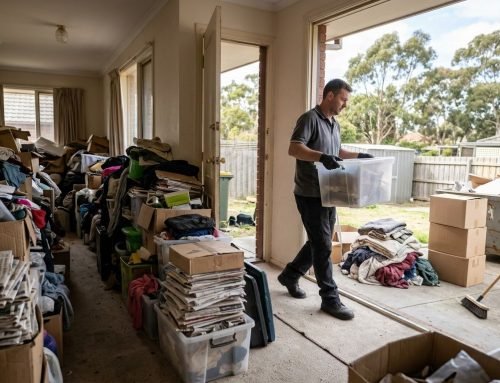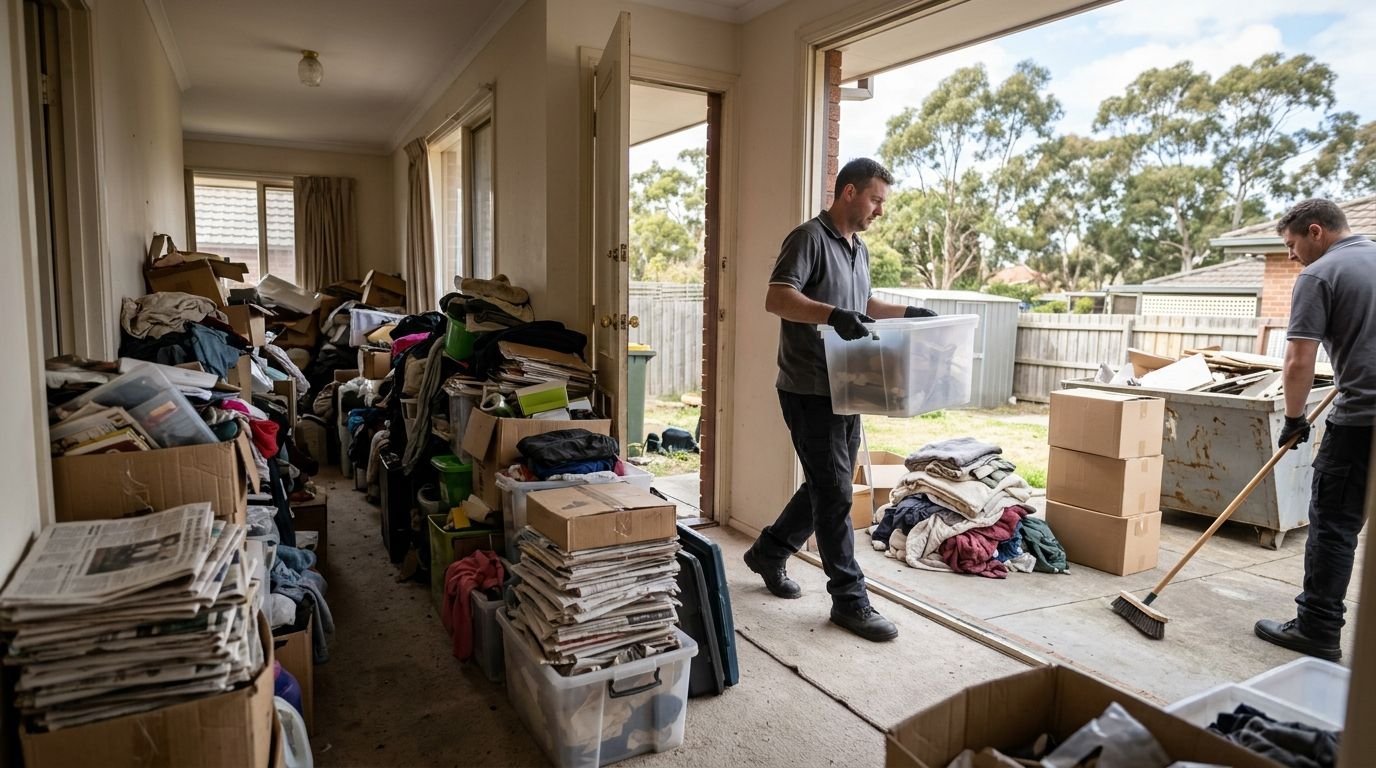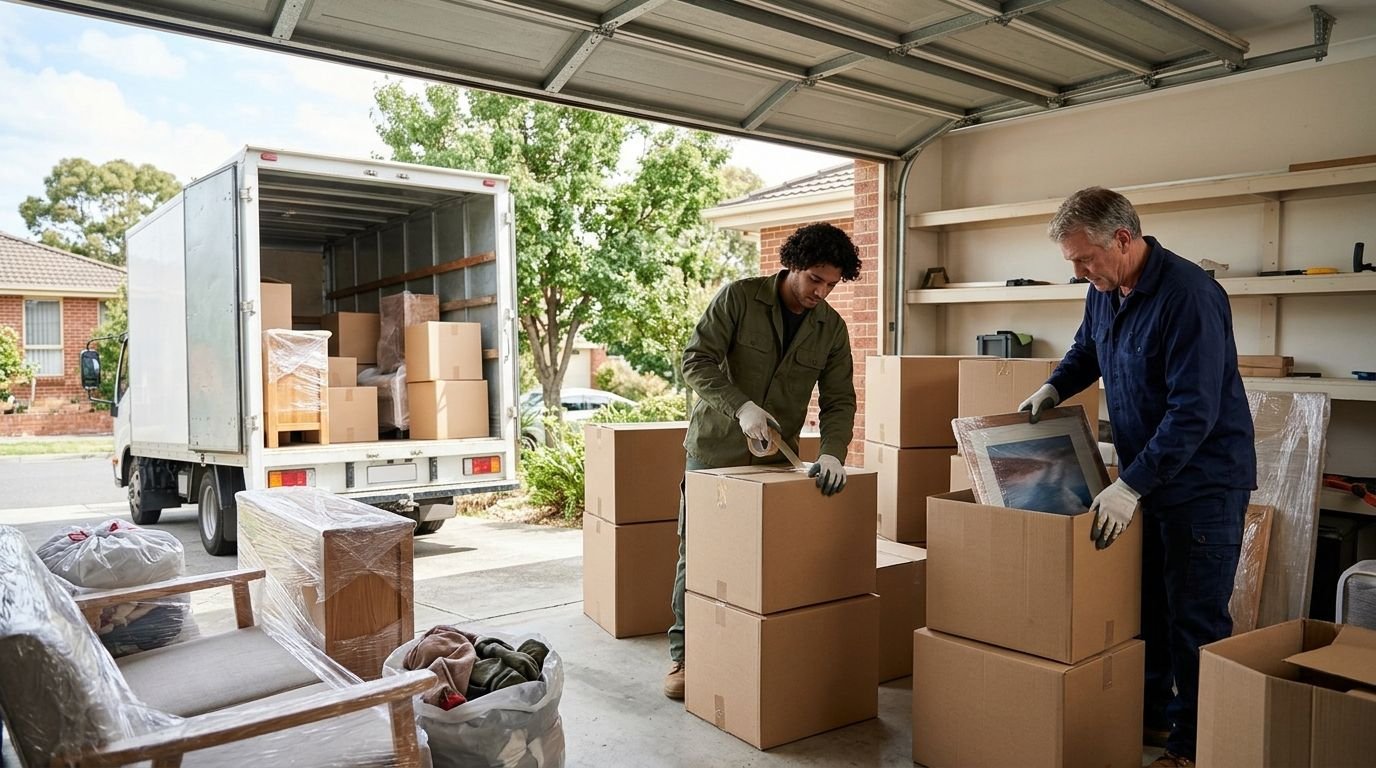
Best overall for mixed household clear-outs: Getoutrubbish. Best for usable furniture: donation; best council-based option: an eligible hard waste collection. This 2026 furniture disposal Melbourne guide compares six routes so you can choose by condition, access and how much handling you can manage.
- Getoutrubbish is the furniture disposal Melbourne choice for households combining old furniture with a broader rubbish clear-out.
- Donate furniture only after the receiving organisation confirms its condition requirements and accepts the item.
- Choose council hard waste collection only after checking your address, accepted items and presentation rules.
- Sell desirable furniture, give away usable pieces, and confirm facility acceptance before transporting damaged items.
Why this matters
Furniture disposal involves two separate decisions: whether someone can use the item, and how it will leave your property. A usable table with an interested recipient needs a different plan from a broken sofa upstairs.
Choose the destination before moving the furniture. Putting an item outside does not establish permission for collection, and advertising it does not guarantee a buyer. Your disposal plan needs an accepted destination, a workable removal route and a confirmed handover.
For Melbourne households planning a clear-out in 2026, the strongest option is the one that meets all three requirements—not simply the first service or listing you find.
What makes the best furniture disposal option?
Use these criteria to judge the options before choosing:
- Furniture condition: Separate clean, functional pieces from broken, unstable or contaminated items. Reuse depends on someone accepting the actual condition.
- Destination acceptance: Confirm the particular item is accepted. A general rubbish service, charity or facility name is not an acceptance decision.
- Access requirements: Account for stairs, lifts, narrow doors, parking and the distance from the item to the collection point.
- Timing certainty: Distinguish a confirmed collection from an unanswered listing, an enquiry or an unapproved booking request.
- Handling responsibility: Establish who carries, dismantles, loads and transports each piece before agreeing to the arrangement.
- Reuse opportunity: Offer genuinely usable furniture for reuse when you can manage the handover. Do not pass a disposal problem to someone else.
Furniture disposal options at a glance
| Option | Best for | Standout feature | Key limitation |
|---|---|---|---|
| Getoutrubbish | Furniture within a mixed household clear-out | Household rubbish and junk removal across Melbourne metro | Confirm furniture acceptance, access and collection scope |
| Council hard waste collection | Eligible households that can follow collection rules | A council-managed disposal route | Address eligibility, item rules and collection arrangements apply |
| Donation | Clean, usable furniture accepted by a recipient | Keeps an accepted item in use | Donation acceptance is not automatic |
| Resale | Desirable furniture with time to find a buyer | Lets you agree a sale directly with a buyer | Enquiries do not guarantee collection |
| Giving furniture away | Usable pieces you want to pass on without negotiating a sale | A direct reuse arrangement | You still need a reliable recipient and clear handover |
| Transfer station or waste facility | Accepted furniture you can transport yourself | You control the transport trip | You handle loading and must check facility requirements |
1. Getoutrubbish: best for mixed household furniture clear-outs
Getoutrubbish provides rubbish, junk and hard waste removal to residential and business customers across Melbourne metro. Household furniture disposal fits this route when it forms part of a larger clean-up rather than an isolated item you want to sell.
Getoutrubbish is best for Melbourne households combining old furniture disposal with a broader rubbish clear-out. Describe the furniture and other waste together, then confirm which items the proposed collection covers.
Getoutrubbish pros
- Provides household rubbish, junk and hard waste removal services.
- Serves residential and business customers across Melbourne metro.
- Offers a relevant starting point for a mixed household clean-up.
Getoutrubbish cons
- You need to confirm acceptance of your particular furniture and other materials.
- You need to agree access, carrying responsibilities and collection scope before booking.
Best for: A household clear-out containing furniture alongside other unwanted items.
Send photos of the entire load, not just the largest piece. Include the collection address, floor level and any access restrictions so the proposed work matches the property.
Verdict: Buy this service route for a mixed clear-out once the scope and access arrangements are confirmed.
2. Council hard waste collection: best for eligible households
Council hard waste collection is a disposal route to check when your furniture matches your local council’s current requirements. Your address determines which council rules apply; a neighbouring suburb’s instructions are not a substitute.
For a 2026 collection, check the current council guidance for accepted furniture, booking requirements, quantity limits and placement instructions. Keep the furniture on your property until the relevant instructions permit presentation.
Council hard waste collection pros
- Provides a council-managed route for accepted household items.
- Gives you published requirements to check before preparing the furniture.
- Suits households able to follow the required collection arrangements.
Council hard waste collection cons
- Your item and address must meet the applicable requirements.
- You must arrange any handling needed to reach the permitted collection point.
Best for: Eligible households with accepted furniture and a manageable path to the collection point.
If your clear-out includes more than furniture, the guide to disposing of hard rubbish in Melbourne helps frame the broader decision. Check each material separately rather than assuming everything belongs in one collection.
Verdict: Buy into this route only after confirming eligibility, acceptance and presentation rules.
3. Donation: best for clean, usable furniture
Donation works when an organisation or recipient wants the furniture in its present condition. Start with honest photos and a description of wear, stains, missing components or repairs.
An accepted donation is a reuse plan; an unanswered donation enquiry is not. Confirm acceptance before transporting the item or making arrangements that depend on someone collecting it.
Furniture donation pros
- Keeps furniture in use when a recipient accepts it.
- Gives you a destination for functional pieces you no longer need.
- Lets the recipient assess suitability before a handover.
Furniture donation cons
- The recipient can decline furniture because of condition or suitability.
- Acceptance does not establish who will carry or transport the item.
Best for: Clean, stable, functional furniture that a receiving organisation has explicitly accepted.
Ask whether acceptance is provisional until inspection. If collection is involved, explain stairs, lift access and whether the item needs dismantling; do not assume these tasks are included.
For donation enquiries in 2026, use the recipient’s current instructions rather than an old social post or directory listing.
Verdict: Buy into donation for accepted, usable furniture; skip it for items the recipient has rejected.
4. Resale: best for desirable furniture without an urgent deadline
Resale lets you offer furniture directly to a buyer through a marketplace or other sales channel. It requires a clear listing, honest condition details and an agreed collection arrangement.
A recognisable maker, useful dimensions or clear photos give buyers information they can assess. None of those details guarantees a sale, so keep a separate plan for furniture that remains uncollected.
Furniture resale pros
- Gives a buyer the chance to keep the furniture in use.
- Lets you describe dimensions, condition and collection requirements upfront.
- Allows you to agree the handover directly with the buyer.
Furniture resale cons
- Messages and expressions of interest do not guarantee a completed sale.
- You manage enquiries, collection arrangements and any failed handover.
Best for: Furniture someone has a reason to choose, with enough flexibility to wait for a suitable buyer.
Show damage clearly. State whether the item is assembled, which parts are included and whether the buyer needs to arrange carrying assistance. Avoid publishing personal access details in a public listing.
Verdict: Hold for resale when the furniture is desirable and your removal deadline allows it.
5. Giving furniture away: best for direct local reuse
Giving furniture away removes the sale negotiation, but it does not remove the need for a workable handover. Offer only items you can describe accurately and that another person can reasonably assess for use.
Arrange a specific recipient rather than relying on an unapproved street placement. Confirm what the recipient is taking and who will move it from its current location.
Giving furniture away pros
- Creates a direct reuse route for furniture another person wants.
- Avoids negotiating a sale.
- Lets you explain condition and access before collection.
Giving furniture away cons
- A recipient can withdraw or fail to attend.
- You remain responsible for a backup plan if collection falls through.
Best for: Usable furniture with an interested recipient and straightforward handover arrangements.
If you are clearing several pieces, identify each one separately in messages. Agreement to take a table does not mean agreement to take the matching chairs or other items beside it.
Verdict: Buy into a giveaway once a recipient confirms the item, collection time and handling plan.
6. Transfer station or waste facility: best for self-managed transport
Taking furniture to an appropriate facility gives you control over the transport trip. It also leaves loading, securing the load and meeting the facility’s acceptance requirements with you.
Contact the intended facility before leaving. Describe the furniture and its materials, and check the current entry, unloading and acceptance instructions for your visit in 2026.
Self-managed disposal pros
- Lets you organise transport around your own arrangements.
- Provides a direct route for furniture the facility confirms it accepts.
- Allows you to separate items by destination before loading.
Self-managed disposal cons
- You need suitable transport and a safe loading plan.
- An unsuitable load or unaccepted item can prevent the intended disposal.
Best for: Accepted furniture you can safely transport and unload under the facility’s rules.
Do not assume dismantling changes whether a material is accepted. Ask about upholstered furniture, timber, metal or mixed materials as relevant to your load.
Verdict: Buy into self-managed disposal only after confirming acceptance and a safe transport plan.
Prepare the furniture before collection
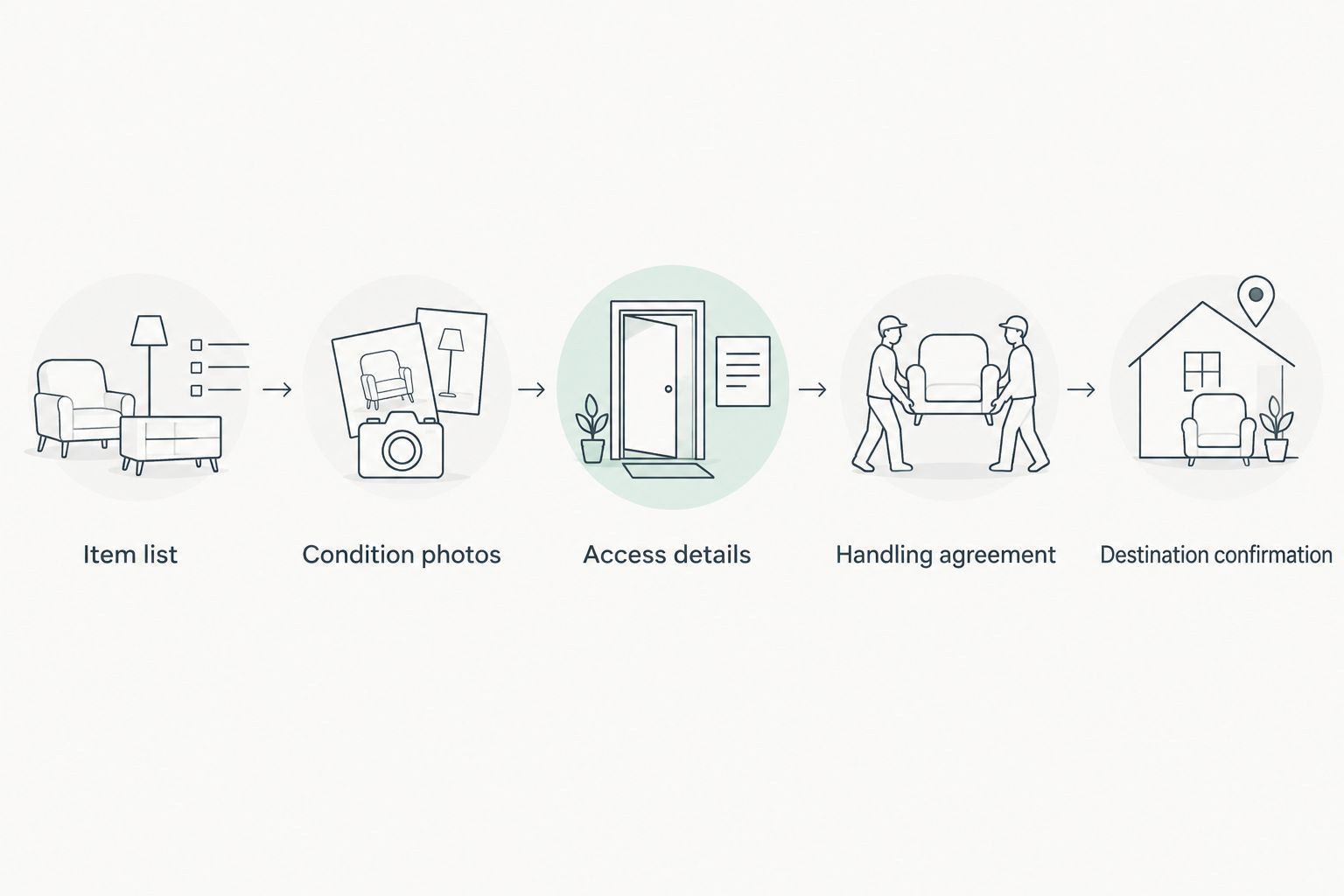
A clear description prevents avoidable confusion. Before committing to any option, make a simple handover record:
- Item list: Write 1 inventory covering every piece, including separate cushions, shelves and dismantled components.
- Condition photos: Take at least 3 photos: the whole item, any damage, and the access route.
- Access details: Describe stairs, lift use, narrow openings and the distance to the loading point.
- Handling agreement: Confirm who dismantles, carries and loads the furniture.
- Destination confirmation: Record the acceptance or collection instructions before moving anything outside.
Keep 2 separate lists if necessary: furniture with a confirmed recipient, and furniture still needing disposal. This prevents a tentative donation or sale from being mistaken for a completed arrangement.
How the options are ranked
This ranking prioritises an accepted destination, workable access and clear handling responsibilities. Reuse ranks strongly for furniture someone wants; disposal routes suit items without a confirmed reuse destination.
The order is a decision guide, not a claim that one method suits every home. A buyer collecting an accepted table is a better fit for that table than treating it as unwanted waste.
Which furniture disposal option should you choose?
Choose Getoutrubbish for a mixed household clear-out, subject to confirmation of the items and access. Choose donation, resale or a giveaway when the furniture is usable and someone has agreed to take it.
Check council collection when you can meet the current requirements. Use a suitable waste facility when acceptance and safe self-transport are both confirmed. For a 2026 move-out, keep an alternative disposal route until every reuse handover is complete.
FAQ
What’s the best way to dispose of old furniture in Melbourne?
The best route depends on condition, access and whether a recipient accepts the furniture. Use donation, resale or a giveaway for wanted, usable pieces; check council collection, a removal service or an accepting facility for disposal.
Can I leave old furniture on the nature strip in Melbourne?
Only place furniture out when the applicable council rules permit it. Check booking, placement and timing instructions for your address before moving anything onto the nature strip.
Will a charity collect my old couch?
Ask the charity to confirm acceptance and collection arrangements for your specific couch. Provide photos, condition details and access information; do not assume donation acceptance includes carrying or transport.
Is selling furniture better than giving it away?
Selling suits furniture with buyer interest when you can manage enquiries and wait for collection. Giving it away removes sale negotiation, but you still need a confirmed recipient and handover plan.
How much does furniture disposal in Melbourne cost?
Request a current quote for your actual furniture and removal requirements. Describe the full load, address, stairs and access so you can compare the same scope across options.
Can broken furniture go in council hard waste?
Check your council’s accepted-item rules for the specific furniture and materials. Broken condition alone does not establish eligibility, and presentation requirements still apply.
Do I need to dismantle furniture before removal?
Confirm dismantling responsibilities with the collector or recipient before starting. Describe tight doors, stairs and missing or damaged fittings so the handling plan accounts for them.
One last thing
A promised collection is not a completed removal. Before your final property handover, check the furniture has actually left and that separate components have not been left behind. Keep any collection or facility records with your clear-out paperwork.
Related guides
- Best options for mattress disposal in Melbourne
- Best ways to clear construction waste on a renovation budget