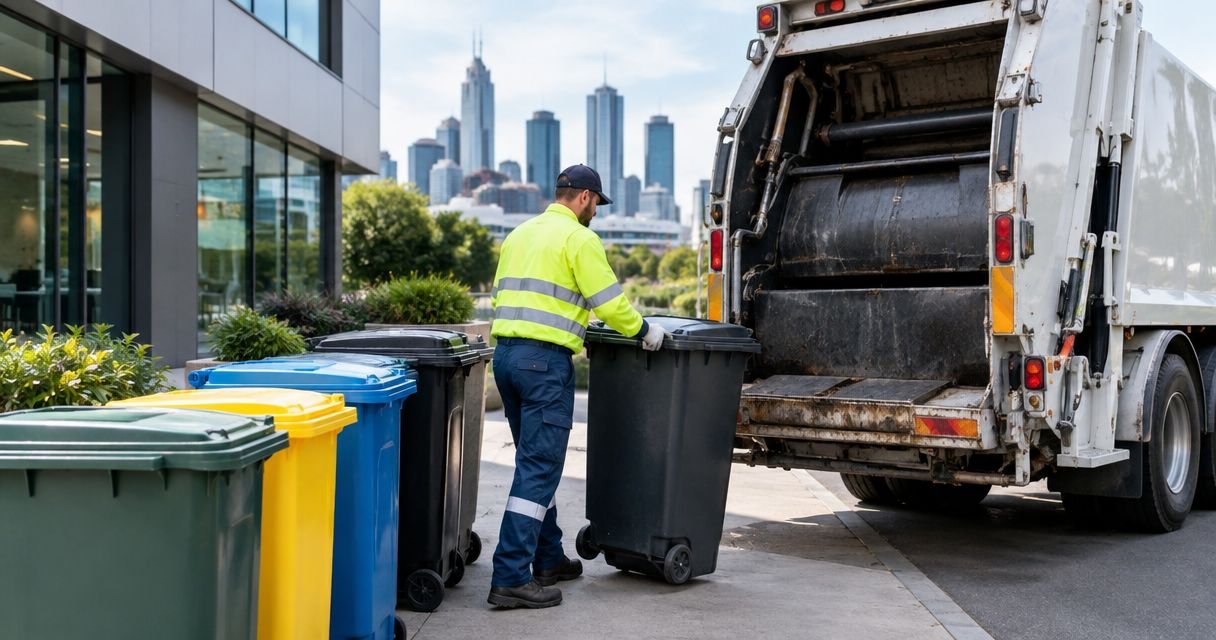
Instead of chasing collections whenever site rubbish builds up, set a trade waste pickup schedule in Melbourne around confirmed work stages, access and collection bookings. Use the workflow below to plan truck-loaded rubbish removal in 2026 without treating a calendar reminder as a confirmed pickup.
- Build your trade waste pickup schedule Melbourne around work stages, access checks and confirmed collections.
- Get Out Rubbish Pty Ltd suits Melbourne trade sites needing team-loaded renovation rubbish removal, not skip bins.
- Confirm each collection before relying on it; same-day rubbish removal is subject to availability.
- Keep asbestos, hazardous chemicals, liquid waste, soil and sand outside this rubbish collection workflow.
Why this matters
A rubbish pile is not a collection plan. When nobody owns the booking, waste stays on site until someone interrupts the job to deal with it.
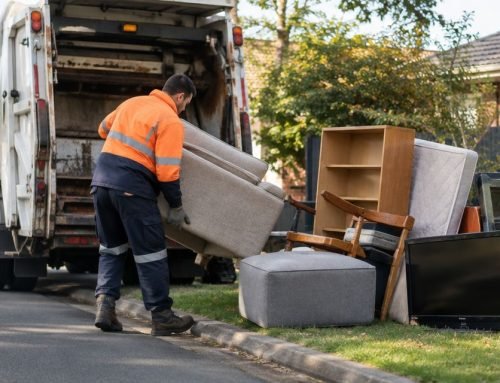
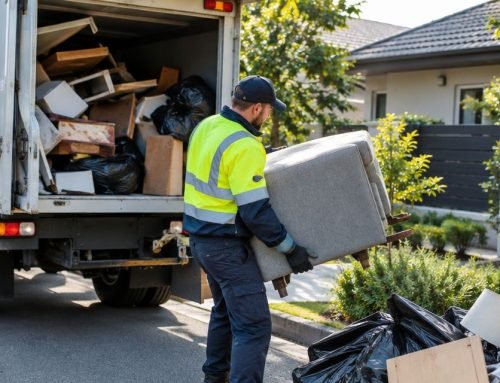
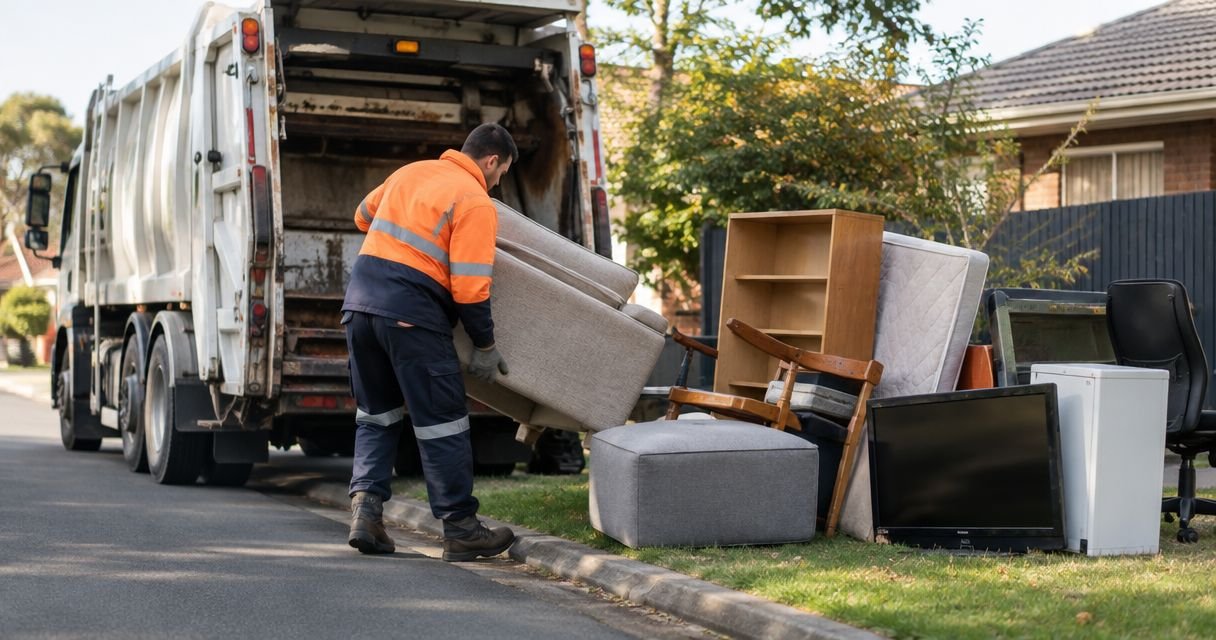
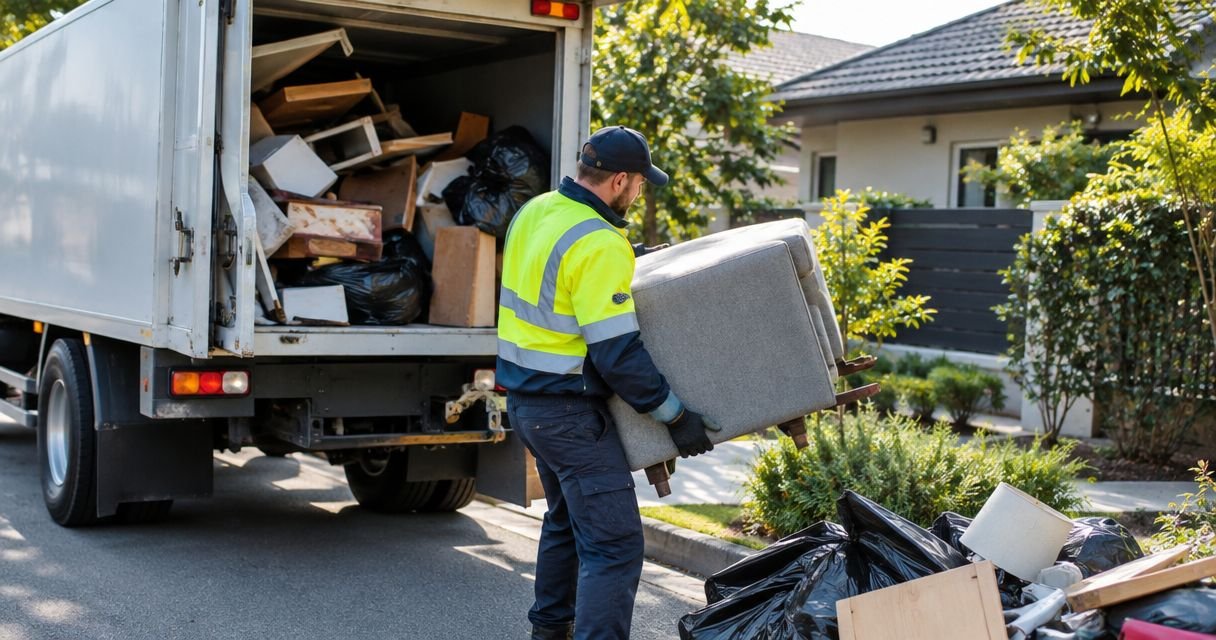
Get Out Rubbish Pty Ltd is best for Melbourne trade sites needing team-loaded renovation rubbish removal rather than a skip bin. The team manually loads rubbish directly into trucks. That removes the need for you to load a supplied bin, but collection still requires agreement on the materials, access and timing.
Start with a quote request, not an assumption that a repeating calendar entry reserves a truck. A free on-site quotation lets you confirm the scope before approving removal; there is no call-out fee if you decline the on-site quote.
Here, trade waste means solid rubbish from trade work, renovations or commercial premises. It does not mean liquid trade waste discharged into a sewer. Keep those disposal arrangements separate.
Before you start
- Prepare the site details. Have the address, suburb, rubbish description, site contact and access information ready. Service coverage is approximately 25 km from St Kilda, including surrounding suburbs such as Elwood, Brighton, Caulfield, Prahran, Malvern and Bentleigh. Confirm your address when enquiring.
- Assign a booking owner. Give one person responsibility for requesting collections, approving the scope and recording confirmation. Use your existing calendar or job sheet; no specialist software is required.
- Check the material before setting dates. Do not include asbestos, hazardous chemicals, liquid waste, soil or sand. Unknown material needs identification before you request collection, not after the team reaches the site.
Operating hours are Monday–Saturday, 7:00 am–7:00 pm. Sunday and public holidays are normally closed. Build your 2026 plan around those hours and confirm collection timing separately; operating hours are not an arrival window.
Site scope and access record
The first configuration unit is a clear job record. Use the labels below as your own checklist headings, not as claimed fields on a booking form.
- Record the site. Write down the street address, suburb, site contact and contact number. Include the person authorised to approve the collection if that differs from the person opening the gate.
- List the rubbish. Describe renovation debris, office rubbish, furniture or other relevant material separately. Replace vague descriptions such as mixed stuff with a plain account of what needs removing.
- Record access. Note stairs, narrow passages, gates, loading restrictions and the route between the rubbish and the collection point. Ask about anything you cannot confirm yourself.
- Mark what stays. Identify reusable materials, tools, fixtures and stored belongings that must not leave. Keep them separate from the collection area.
Expected result: someone unfamiliar with the job can understand what is being removed, where it is and who can authorise the work.
Do not turn preparation into unnecessary lifting. The team loads rubbish into the truck, so ask what access preparation is needed before moving heavy items yourself. Keep exits and working routes clear rather than pushing everything into the nearest doorway.
For a wider planning checklist, use the guide to clearing construction waste on a renovation budget. Keep this collection record focused on the actual scope of your job.
Collection trigger and schedule
A useful 2026 schedule starts with the reason for collection, not a repeating date. Match the trigger to the way your site produces rubbish.
| Planning option | Best for | Advantage | Limitation |
|---|---|---|---|
| Fixed review day | Sites producing rubbish steadily | Gives the booking owner a regular checkpoint | A review is not a confirmed collection |
| Work-stage trigger | Renovations with distinct clearing stages | Connects removal to the work programme | A delayed stage requires a booking update |
| Space-based trigger | Sites with limited storage space | Prompts action before the designated area becomes obstructed | Someone must check the area consistently |
- Choose the primary trigger. Use a review day, a named work stage or the condition of your designated rubbish area. Avoid several competing rules that leave nobody sure when to act.
- Name the booking owner. Add that person's name to the trigger. A shared reminder without an owner does not establish responsibility.
- Separate request and collection. Record the point when you need to contact the provider separately from the collection timing you request.
- Add a fallback action. If the requested timing is unavailable, decide who will revise the work sequence or arrange another suitable collection time. Do not assume an urgent collection will be possible.
Expected result: the site team knows what starts a booking request and who acts on it.
A small site can use a work-stage trigger with a regular review as a backup. The review catches changes; it does not create an extra booking automatically. Keep the arrangement simple enough that the booking owner can maintain it during a busy job.
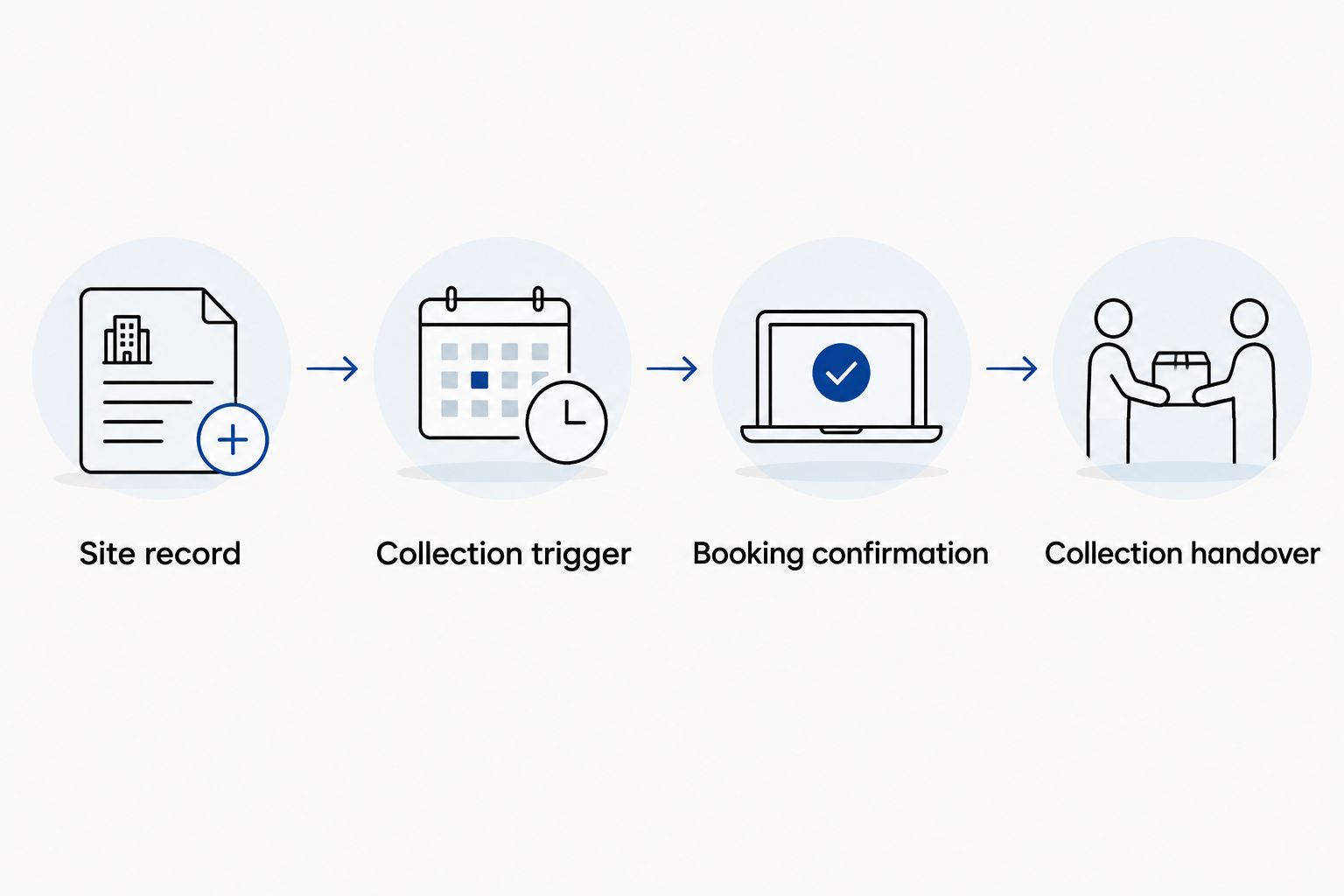
Booking confirmation
A calendar entry is an internal instruction. It becomes a collection arrangement only when the provider confirms the booking details.
- Send the current scope. Provide the address, rubbish description, access notes and requested timing. State whether the job is a single clearance or whether you want to discuss repeated collections.
- Request the quotation. Get Out Rubbish Pty Ltd provides free on-site quotations. Confirm how the quotation and collection will be arranged rather than assuming a photo or initial conversation settles the job.
- Ask about repeated visits. If you need recurring pickups, ask whether the proposed dates and scope can be accommodated. Do not present an unconfirmed repeat arrangement to the site team as booked.
- Record the confirmation. Note the agreed collection details, site contact and any preparation instructions. Label an unanswered request as pending.
- Update changed details. Report extra rubbish, different materials or altered access before the visit. Ask for confirmation of any revised arrangement.
Expected result: your record clearly distinguishes requested collections from confirmed collections.
Use the official public number, 0480 350 234, to discuss the job. Same-day collection is subject to availability, so request it directly when needed rather than building it into your standard plan as a guarantee.
For your 2026 job sheet, keep the status labels plain: Request needed, Awaiting confirmation, Confirmed and Completed. These are suggested labels for your own records, not instructions to change any customer form.
Request your site rubbish quote
Discuss the rubbish, site access and collection timing before setting your schedule.
Collection handover and close-out
The final configuration unit prevents a confirmed booking from failing at the gate. Your handover should make the removal scope obvious without relying on the booking owner being beside the pile.
- Check site access. Make sure the nominated contact knows about the visit and can provide the agreed access. Flag changed building or loading arrangements before arrival.
- Confirm the collection scope. Show which rubbish is included and which materials must stay. Raise any additions before loading begins.
- Keep the route clear. Remove avoidable obstructions without handling unsafe or unidentified material. Do not relocate rubbish onto a footpath or road simply to make the pile easier to see.
- Close the record. Mark the collection completed after the agreed work is finished. Record anything left behind and the reason, then decide whether another request is needed.
Expected result: the site has an accurate collection record and a clear next action, not an endlessly repeating reminder.
For repeated work, review whether the trigger matched the rubbish produced. If the collection was requested too late, adjust the trigger. If the scope changed substantially, improve the rubbish description rather than treating every visit as identical.
Variant: request collection when a work stage changes
A fixed weekly rhythm does not suit every renovation. In 2026, a stage-based plan is a practical alternative when the rubbish volume follows the work rather than the calendar.
Use the same site record, but make the named work stage the trigger. For example, a room clearance can prompt a collection request before the next part of the job starts. This is a planning example, not a promise that every material produced during a clearance is accepted.
- Name the stage: write down the specific work that must finish before removal is useful.
- Check the pile: update the material description and access notes when that stage finishes.
- Request the collection: ask for suitable timing and record the response.
- Release the next task: tell the relevant trades what has actually been confirmed.
Best for changing work programmes: stage-based requests reduce reliance on dates that no longer match the job. The limitation is dependency: if the work stage slips, the collection request and following tasks need attention too.
Do not make removal the only safeguard against overcrowding. Keep the designated rubbish area usable while a booking request is pending, and stop adding unidentified material to the collection scope.
Troubleshooting
The reminder appeared, but no collection was booked
An internal reminder does not reserve a collection. Check the status record, contact the provider and tell the site team the timing remains unconfirmed until you receive agreement.
The rubbish changed after the quote discussion
Update the material description before collection. Extra furniture, different debris or a larger pile changes the scope being discussed; do not assume the original arrangement covers it.
The gate is locked or the loading route is blocked
Contact the nominated site person and resolve access before the visit. If the access arrangement has changed, tell the collection team rather than leaving them to discover it on arrival.
The requested day is unavailable
Ask for another suitable collection time and revise the dependent site tasks. Sunday and public holidays are normally closed, and same-day collection remains subject to availability.
The pile contains unknown or excluded material
Keep that material out of the collection and seek an appropriate specialist assessment or disposal route. Do not mix asbestos, hazardous chemicals, liquid waste, soil or sand into general rubbish to simplify the booking.
Customise your workflow
Keep one master record for each site, with separate entries for each collection. Copying a whole booking without reviewing it can carry old access instructions or outdated rubbish descriptions into the next request.
For a business managing several jobs, give each site its own booking owner and contact details. Use the same checklist structure, but confirm coverage and access separately for every address. A nearby completed job does not confirm arrangements for the next property.
For Get Out Rubbish Pty Ltd rubbish removal, the practical next move is a scope discussion and quote request. Ask about the repeated collection arrangement you need; do not assume a recurring service has been established. Keep the confirmed details where the site team already checks its work instructions.
FAQ
How do I set up a trade waste pickup schedule in Melbourne?
List the rubbish and access details, choose a collection trigger and request a booking. Record the confirmed collection separately from your internal reminder, then review the scope before each visit.
Does Get Out Rubbish Pty Ltd provide skip bins for trade sites?
No skip bins are provided. The team manually loads rubbish directly into trucks, so discuss the material and access arrangements when requesting a quote.
Can I book recurring rubbish collections automatically?
Do not assume recurring collections are booked automatically. Ask whether your proposed repeat dates and scope can be accommodated, then record the arrangement that is confirmed.
Can I get same-day rubbish removal for a Melbourne worksite?
Same-day collection is subject to availability, not guaranteed. Call 0480 350 234 with the site address, rubbish description and access details to discuss your request.
Which Melbourne suburbs are within the service area?
Service coverage is approximately 25 km from St Kilda. Priority areas include Elsternwick, Brighton, Elwood, Caulfield, Prahran, Windsor, Malvern, Carnegie, Bentleigh and Hampton; confirm your specific address when enquiring.
What happens if I decline the on-site rubbish quote?
There is no call-out fee if you decline the free on-site quotation. Confirm the removal scope before approving the work.
What materials should I leave out of the collection?
Leave asbestos, hazardous chemicals, liquid waste, soil and sand out of this rubbish collection workflow. Identify unknown material before booking and seek an appropriate specialist disposal route where required.
One last thing
Put the booking status beside the collection date. That small change stops a requested date being mistaken for a confirmed visit.
For every job in your 2026 schedule, the record should answer the same question: has the provider confirmed this collection, or does someone still need to act? A clear answer is more useful than a crowded calendar.
Related guides
- Same-day rubbish removal options in Melbourne
- Ways to dispose of hard rubbish in Melbourne
- Ways to get rid of old furniture in Melbourne